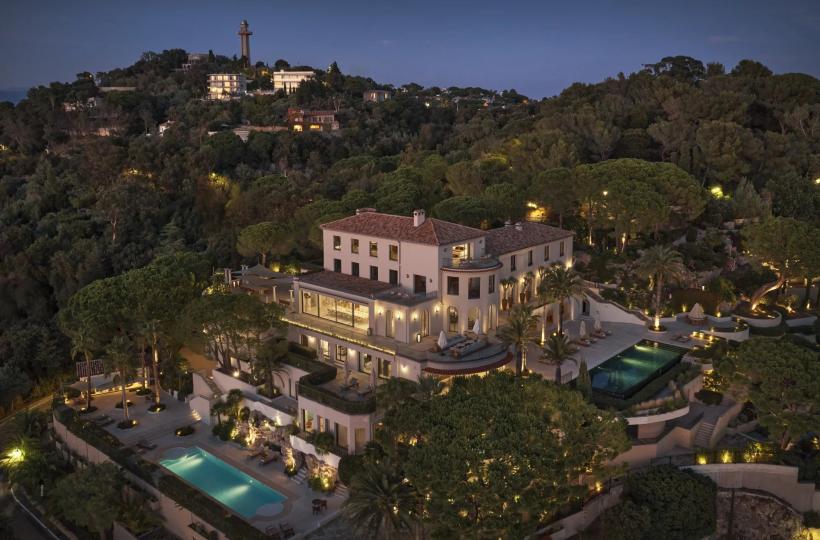
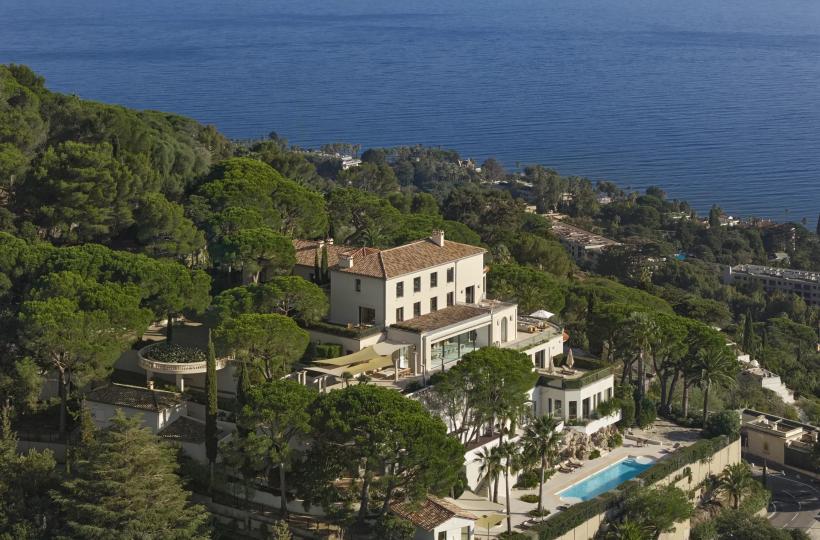
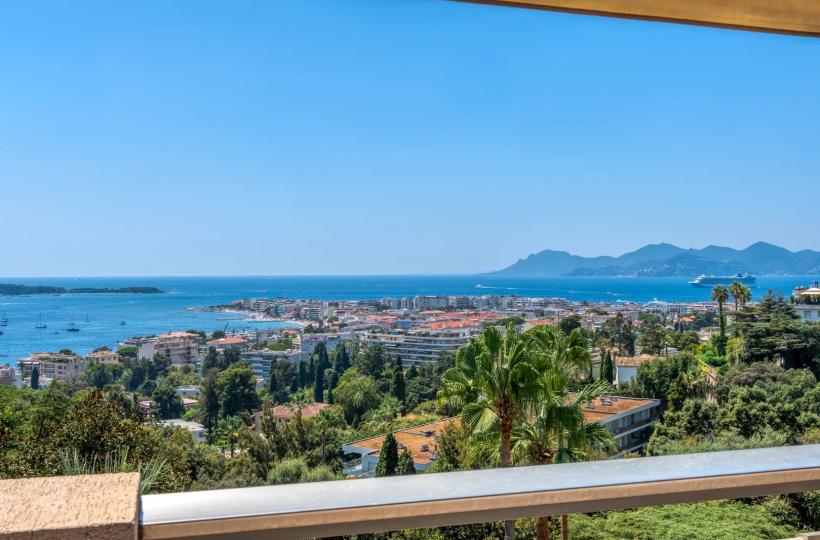
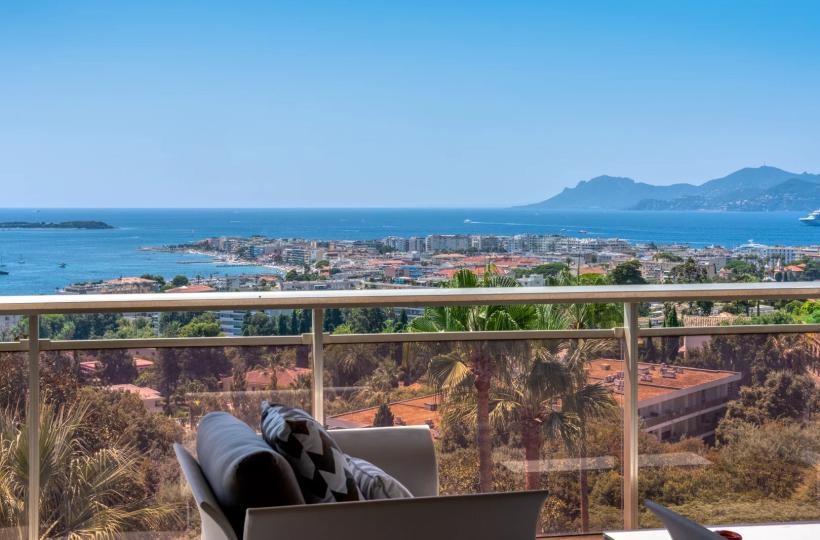
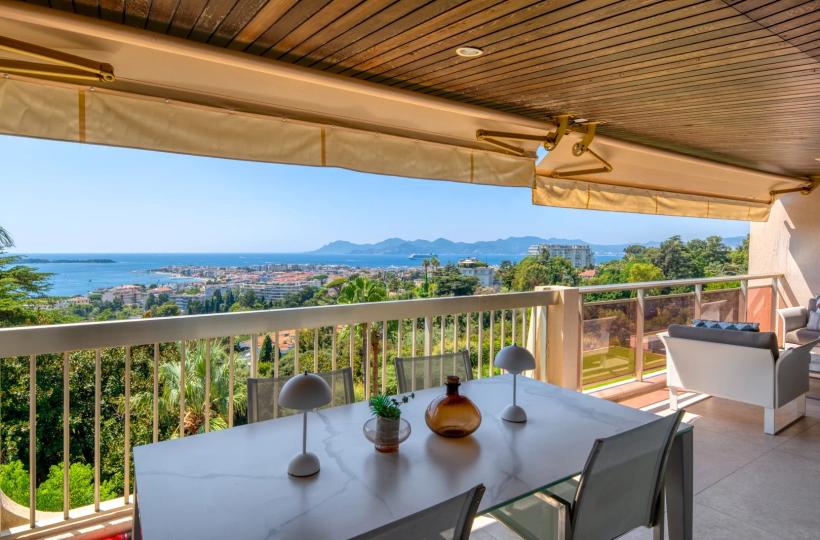
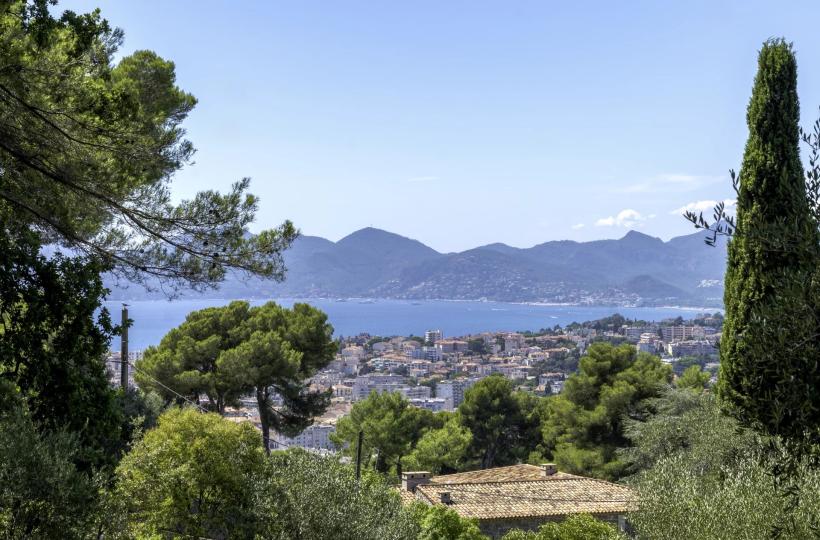
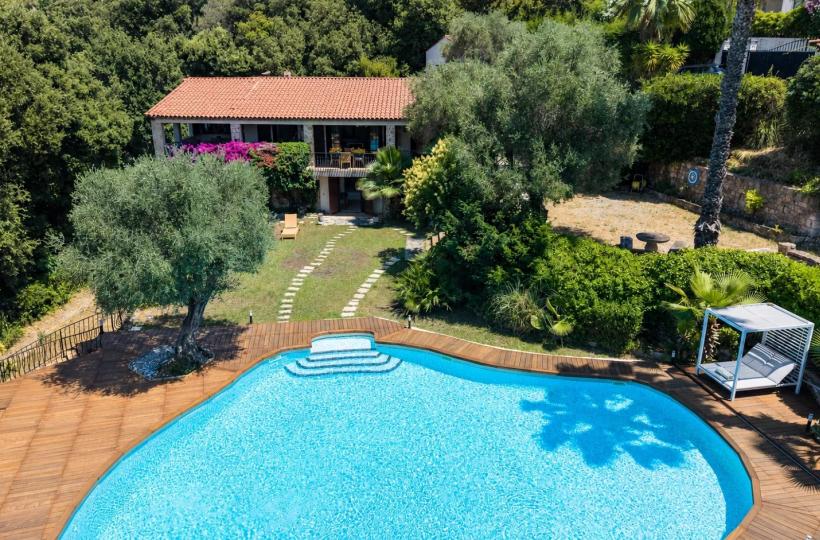
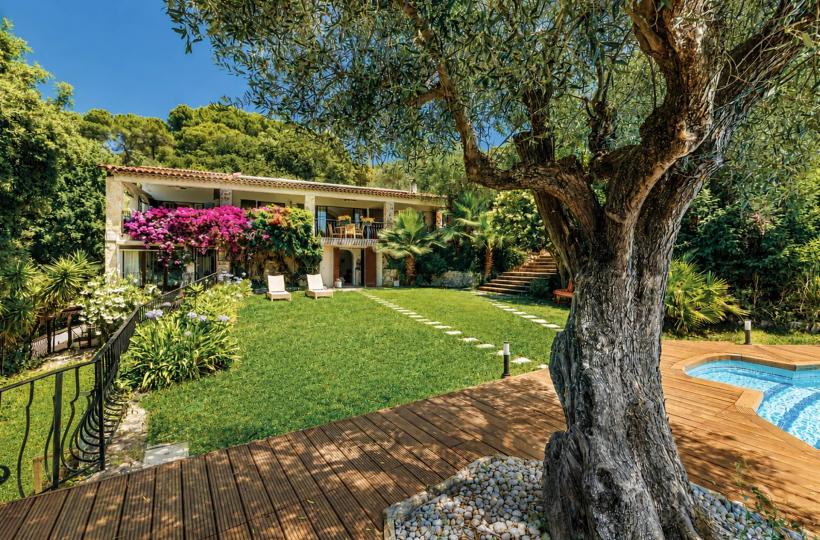
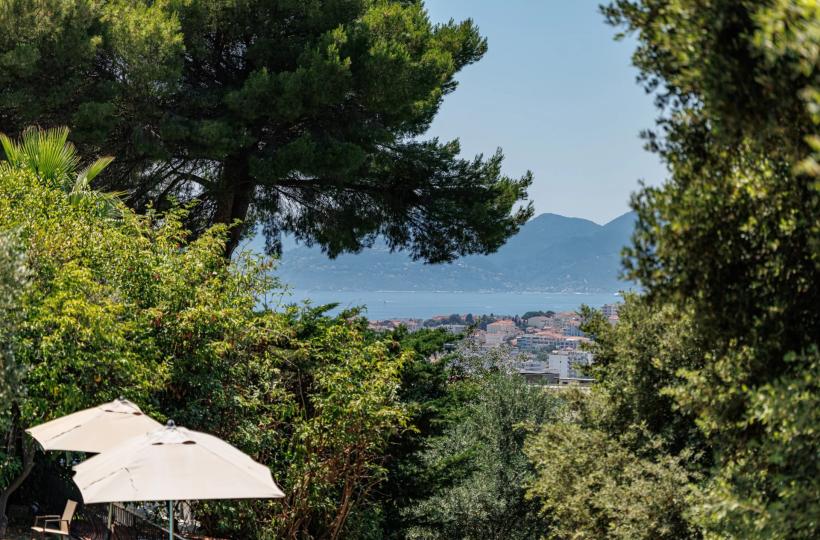
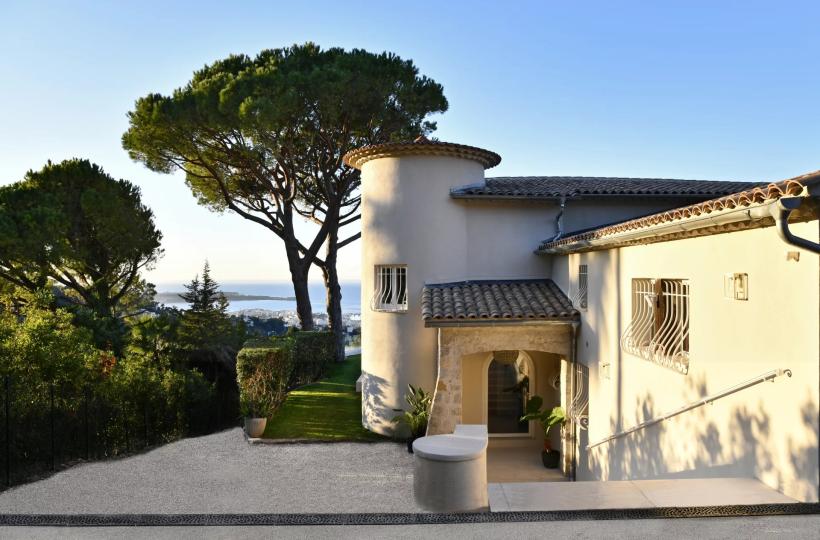
It seems to watch over the preserved Californie district, which overlooks the City of Festivals. The Pavillon de Flore owes its fame to Pablo Picasso, who owned it in the 1950s. Originally named Villa Fénelon, then Villa Californie, this immaculate building constructed in the 1920s conceals works by the artist behind its pristine façade.
Renovated in the late 1980s, this bourgeois residence was reborn amid its 10,000 m² of surrounding grounds, where the gardens perpetuate the soul of this legendary place, just a stone’s throw from the Mediterranean Sea. Built at a time when tourism was booming in Cannes, the residence—following the tradition of the elegant villas of the French Riviera—was originally intended as a winter retreat, at the initiative of Vicomte Fénelon.
Renamed Villa Californie, it was acquired in 1955 by the founder of Cubism, who established his studio on the ground floor of the three-story building. The villa stands on the hills of Cannes, in one of the city’s most sought-after neighborhoods.

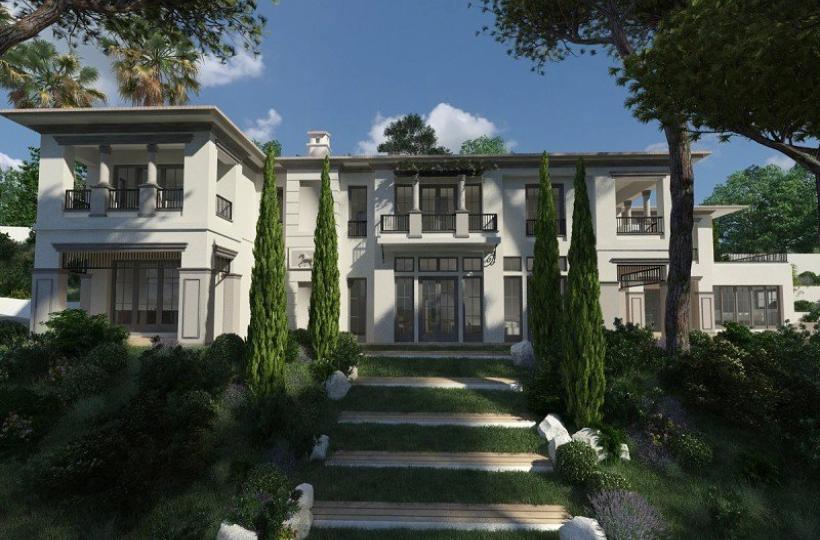
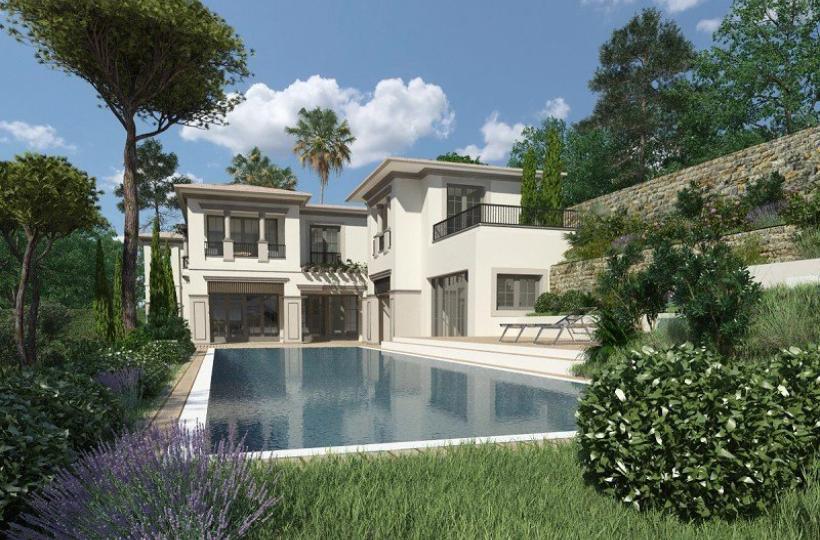
CANNES - Villa Bagatelle – A Jewel of Elegance at the Heart of Cannes
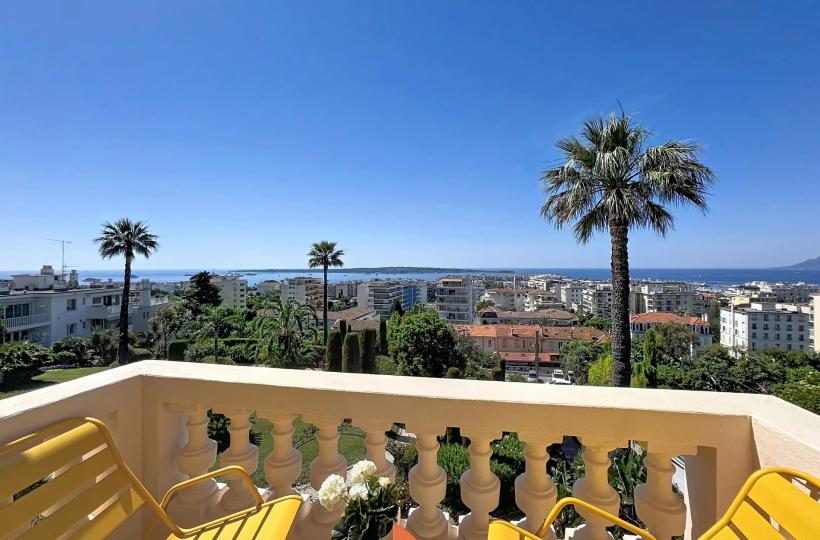
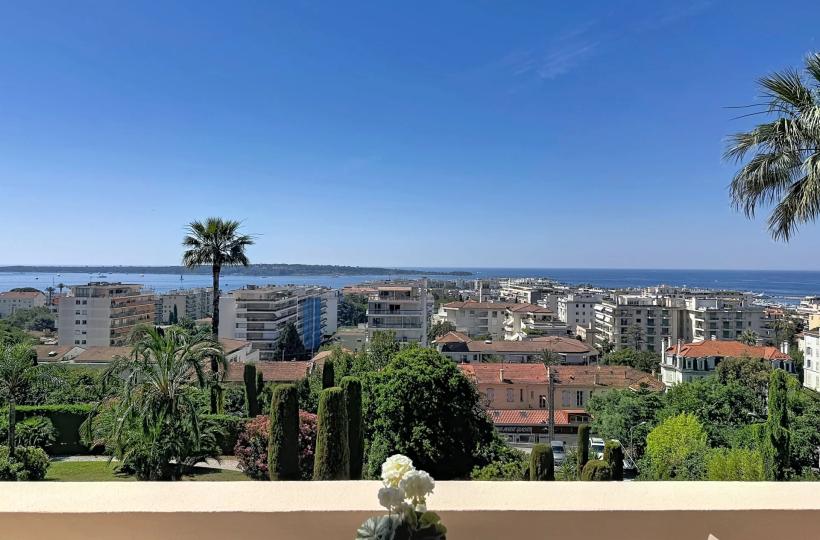
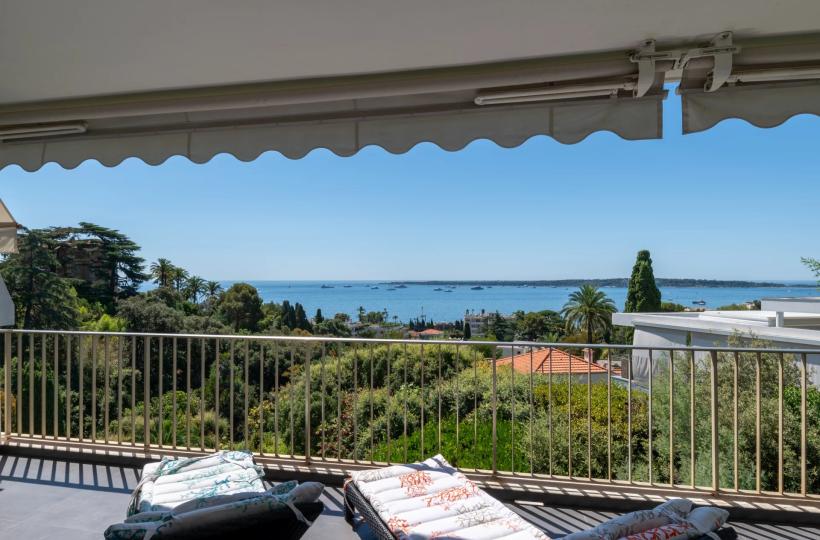
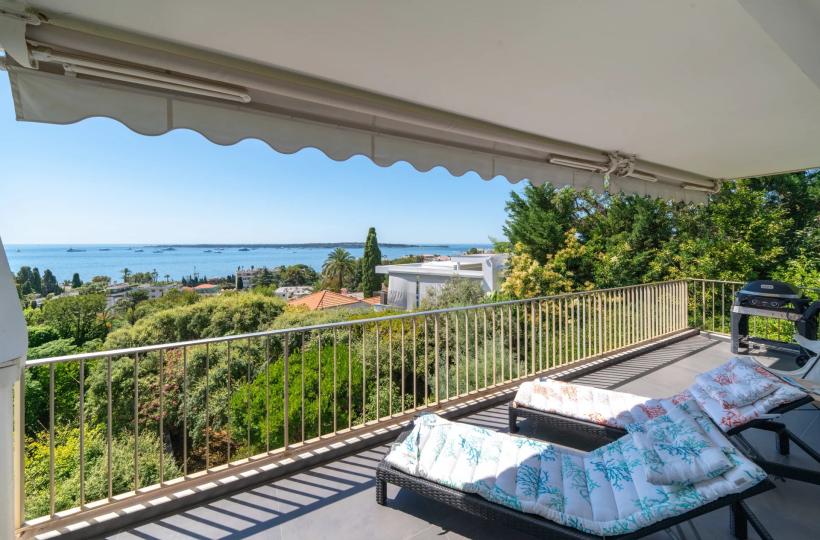
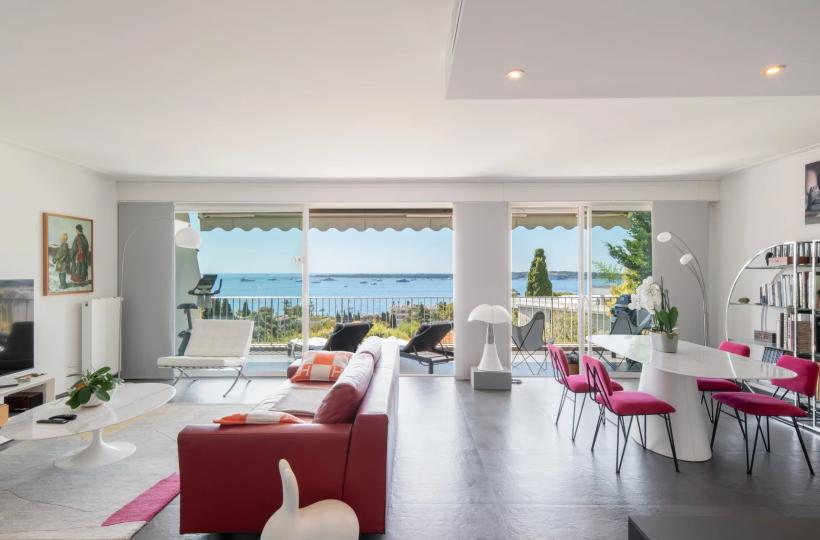
Cannes Californie – Top Floor – Panoramic Sea Views
Unique – Superb villa with sea view.
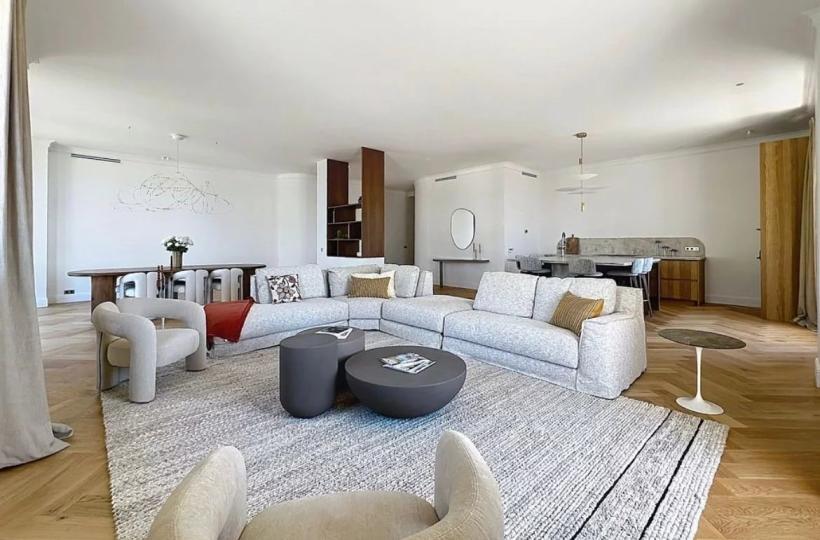
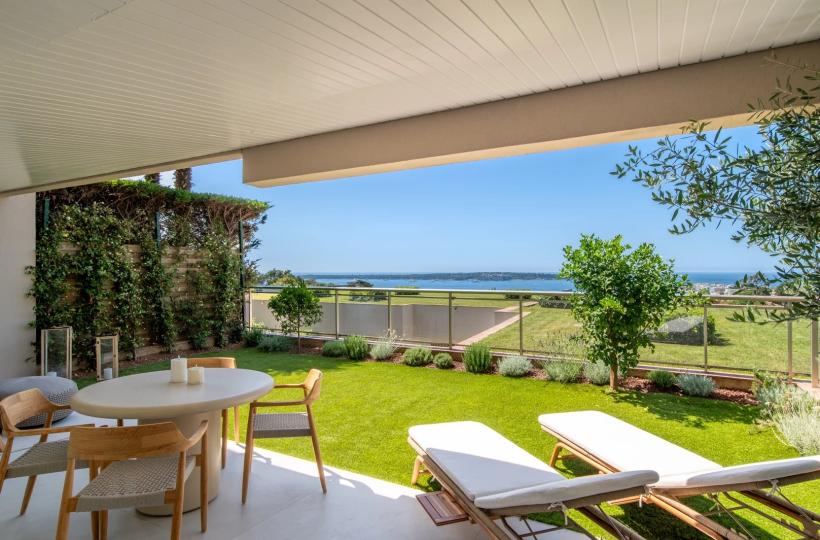
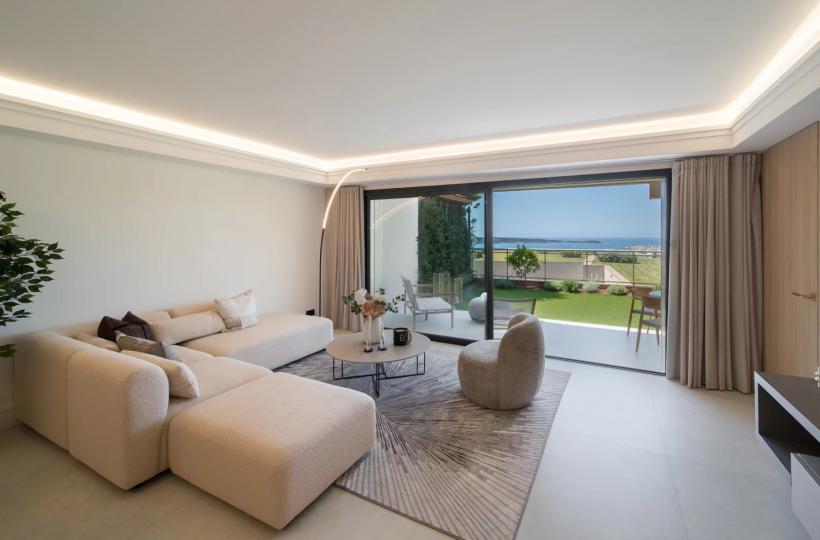
Exceptional Renovated Apartment in the Prestigious Basse Californie–Californie Area
Cannes La Californie - Top Floor - Breathtaking Ocean View
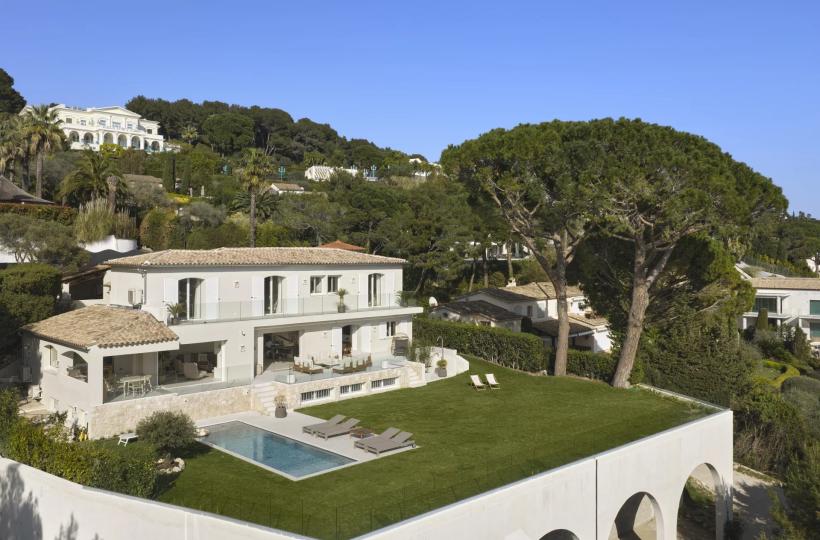
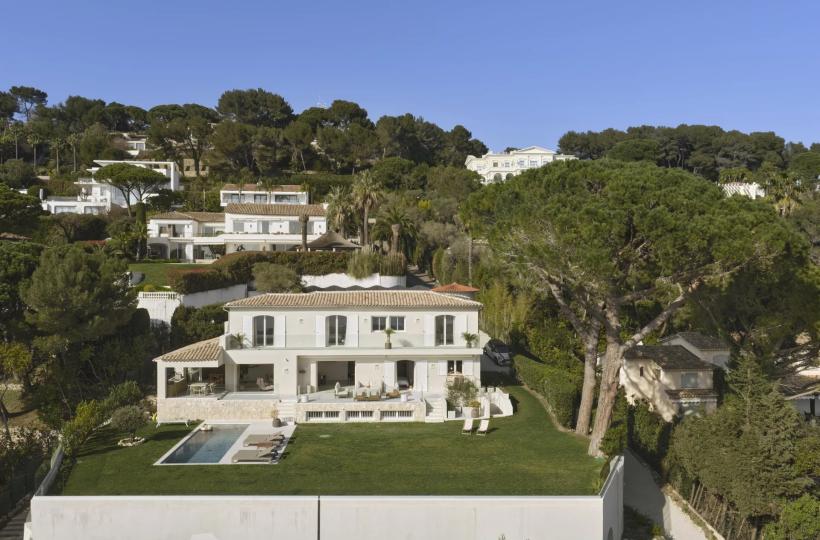
Exclusive Listing – Cannes Californie – Elegant Provençal Villa in Absolute Peace and Quiet.
CANNES CALIFORNIE | ROI ALBERT | 4-ROOM APARTMENT | SEA VIEW
CANNES CALIFORNIA - Magnificent villa with panoramic sea views