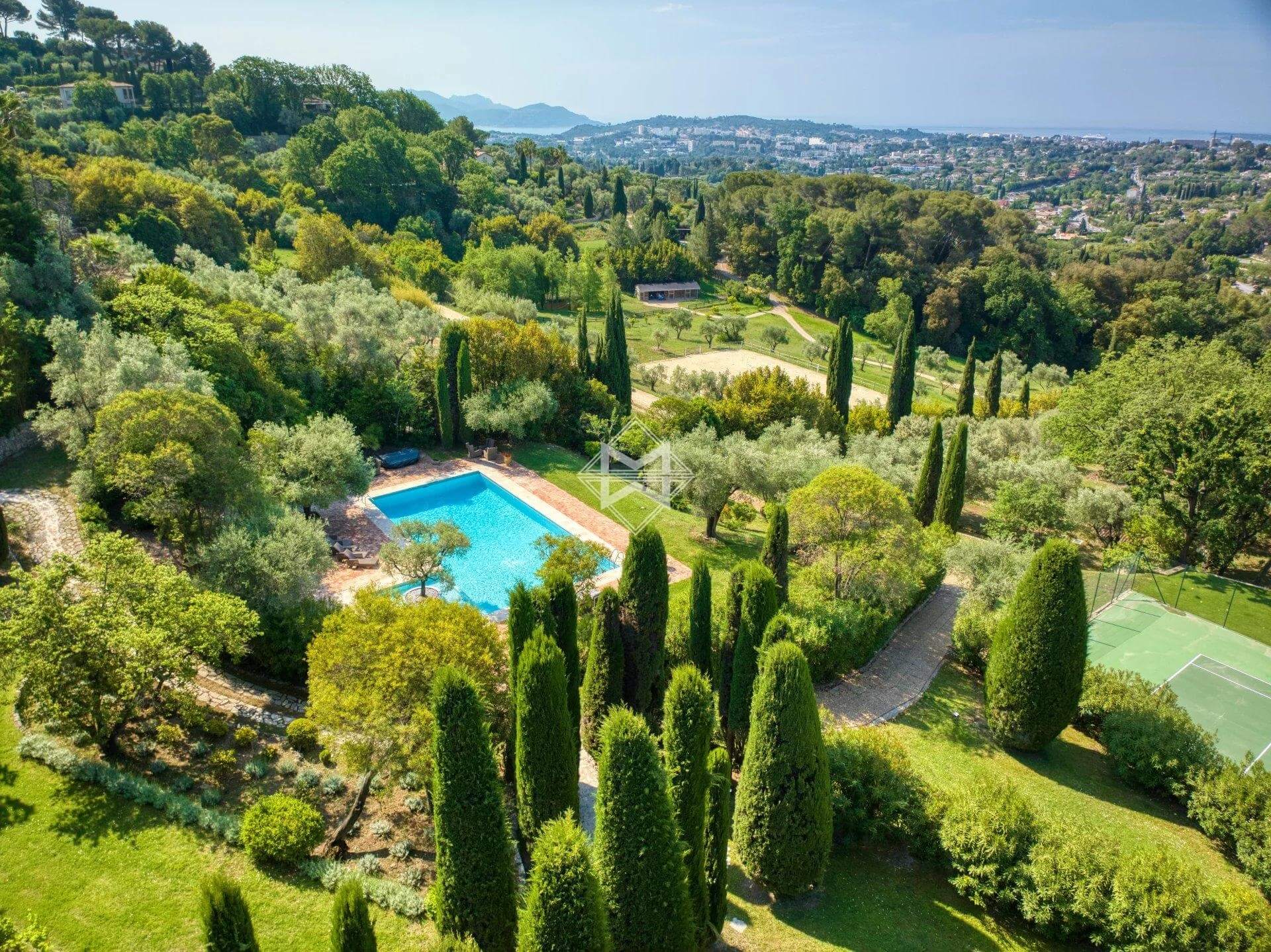
You step inside a home. The architecture is masterful, the proportions are just right, and the light flows perfectly. Everything seems to meet the highest standards. And yet, what truly sets a property apart today is no longer just its visible qualities.
For several years now, a more subtle transformation has been taking place in the luxury real estate sector. Demand is no longer defined solely by aesthetic or heritage considerations, but is driven by a more personal, functional, and essential approach. It is against this backdrop that “wellness real estate” is emerging.
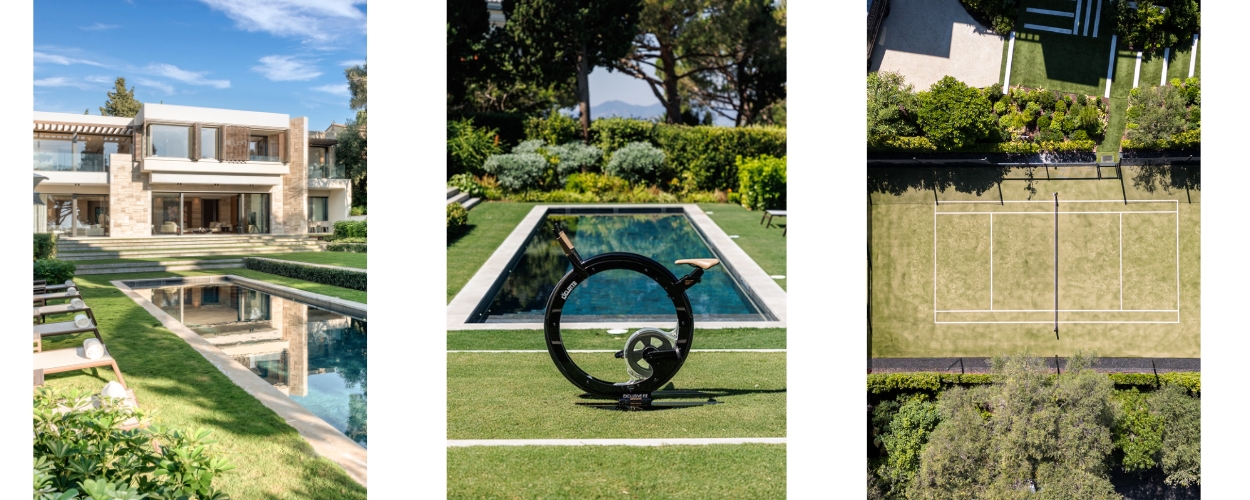
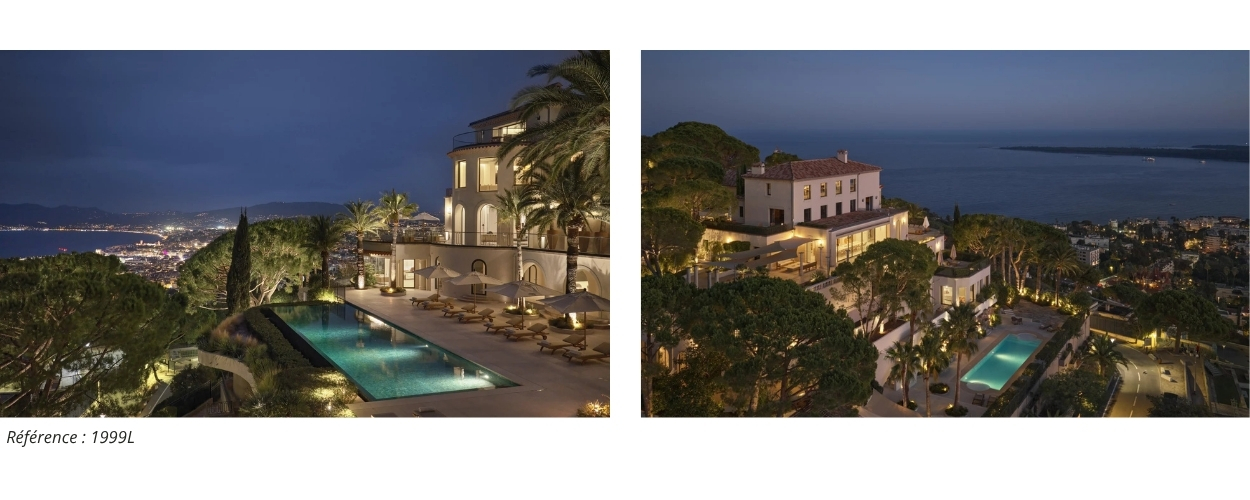
A home is no longer just a place where we live. It has become an environment that supports, shapes, and enhances our daily lives, capable of meeting our physical, mental, and emotional needs. The villas offered by Magrey & Sons, particularly Villa Bagatelle, fully embody this vision. Enhanced by the expertise of Exclusive Fit, they become much more than just real estate: they are true living spaces designed to blend seamlessly into daily life, support practical needs, and create a lasting experience.

In recent years, the luxury real estate market has undergone a profound transformation, with a property’s value and perception now hinging on the quality of life it offers. In this context, Exclusive Fit has emerged as a key player by reimagining the role of fitness and wellness spaces in the properties offered by Magrey & Sons.
Long associated with ostentatious or symbolic elements, they now play a full role in how prestige is perceived and experienced. This shift is reflected in the statistics.
Over the past five years, demand for properties featuring dedicated wellness spaces (fitness, spa, recovery) has increased by approximately 35%. In practical terms, this means that a growing number of buyers no longer view these spaces as a “bonus,” but as a full-fledged purchasing criterion.
At the same time, real estate listings themselves reflect this shift. Mentions of “wellness” have increased by more than 30%, evidence that the market is actively adapting to these new expectations. This shift is telling.
Whereas certain rooms historically embodied prestige, with wine cellars or reception rooms, we are now seeing a shift in how spaces are used, toward activities focused on the body and well-being: private gyms, relaxation areas, and dedicated studios. In other words, comfort isn’t disappearing; it’s being redefined as part of a broader transformation.
“Wellness real estate” is redefining the very role of the home. It is no longer simply about owning a place, but about living in an environment that supports a comprehensive lifestyle. These wellness facilities meet a new need: the ability to seamlessly integrate wellness practices into daily life. The home thus becomes a central element in this new way of living.
This development is more than just a passing trend. It is part of a highly structured global economic dynamic. According to the Global Wellness Institute, the global wellness economy reached $6.8 trillion in 2024.
To put this into perspective, this market is larger than those of many major industrial sectors combined. And, more importantly, it is experiencing particularly strong growth. Projections estimate that this market will reach $9.8 trillion by 2029. This represents an increase of more than $3 trillion in just five years, a growth rate faster than that of the global economy as a whole.
As the Global Wellness Institute points out: “The wellness economy is now an unstoppable consumer trend, accelerated by our experiences during the pandemic. There has been a radical shift in attitudes. Prevention, mental health, social connection, and nature have taken on crucial importance.”
Within this ecosystem, the wellness real estate segment is emerging as one of the most dynamic. This is not a marginal phenomenon. It is a paradigm shift. It reflects a profound shift in expectations: a greater focus on prevention, mental health, and recovery, as well as on taking control of one’s daily environment.
It is within this quest for coherence that the collaboration between Magrey & Sons and Exclusive Fit takes place.
When a space dedicated to movement and well-being is designed with the same attention to detail as the rest of the property, our perspective shifts. It is no longer simply a matter of adding a function; it is about integrating an experience. A gym is no longer enough. What matters is how it fits into the architecture, the spaces, and the ways the property is used. It is precisely this harmony that allows a place to stand out today.
Beyond its visible qualities, a property reveals its true value in the way it enriches one’s life.
Magrey & Sons closely monitors the trends shaping the luxury real estate market and, in its newsletter "Magrey Insider", offers up-to-date insights into the market’s evolving aspirations, particularly regarding well-being and longevity, which are now at the heart of the new standards of luxury.
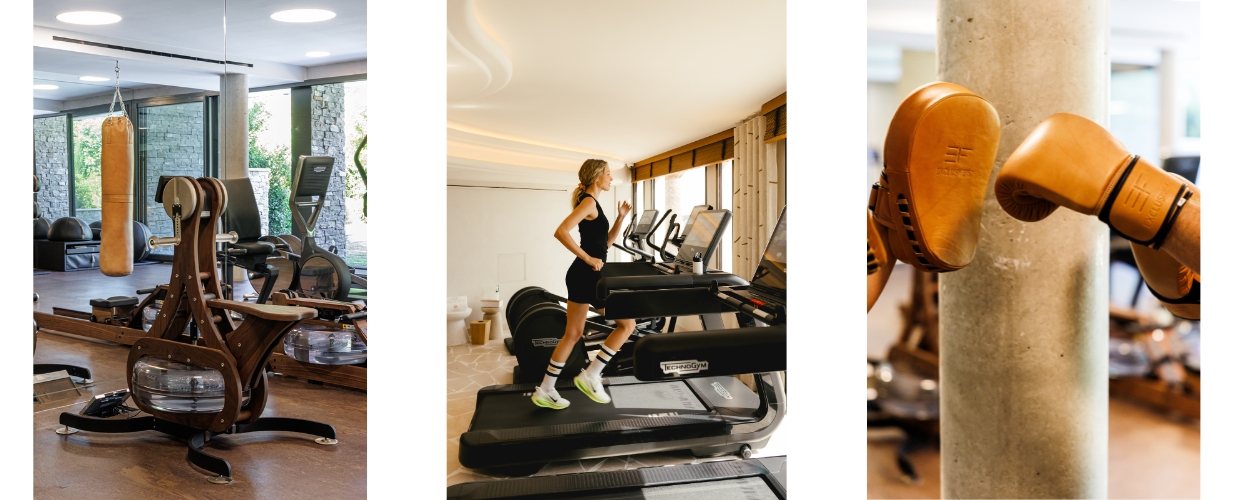
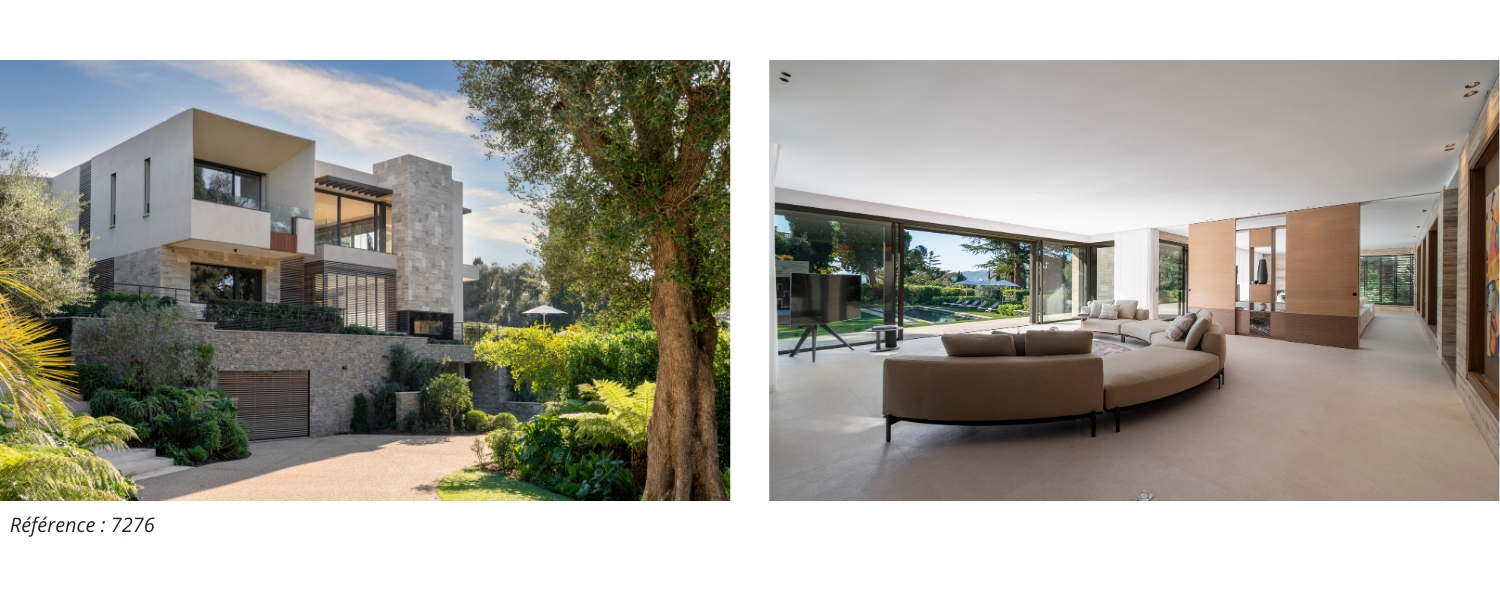
This paradigm shift takes on a particularly tangible form in Magrey & Sons properties. Inside villa ref. 7276, fitness and wellness are expressed not through an abundance of equipment, but through the careful selection of materials.
The fitness space designed by Exclusive Fit is based on a philosophy where every detail takes on meaning. The leather, crafted in deep hues, complements the mineral surfaces and wooden structures. The textures do not clash; they blend together. This choice of materials goes beyond aesthetics. It anchors the space in time, embodying a form of quiet durability that is perfectly in line with the standards of contemporary luxury.