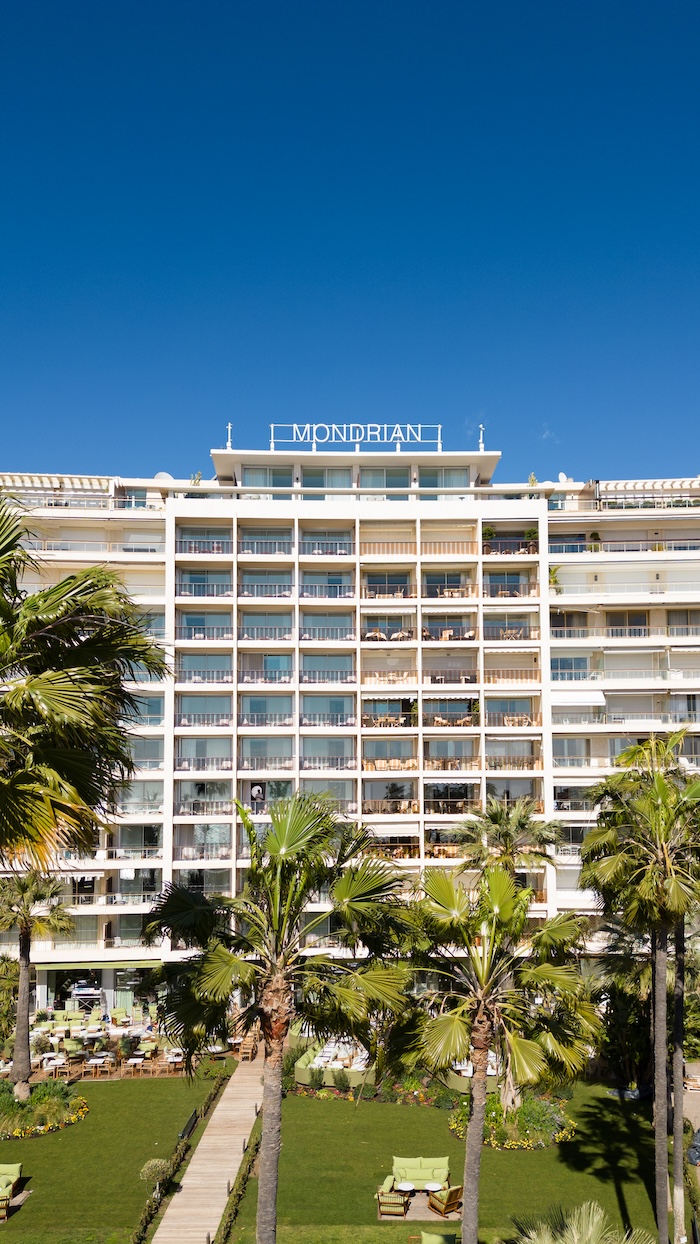
Some places don’t just stand the test of time, they shape a city’s identity. In Cannes, the Mondrian Cannes, heir to the legendary Grand Hôtel, is one of those places that played a key role in the birth of the Croisette and its rise to international prominence.
The first luxury hotel built on this promenade which has become one of the most famous in the world it has witnessed the comings and goings of the European aristocracy, the heyday of the Belle Époque, the early days of the Cannes Film Festival, and, more recently, the revival of a more contemporary lifestyle.
But the history of the Grand Hôtel is also the history of the Croisette. Alongside it, iconic properties such as the Palais de la Reine, the Palais d’Orsay, the Gray d’Albion, and the First Croisette bear witness to the Croisette’s architectural, heritage, and prestige evolution. Let’s take a look back at these renowned buildings, which continue to define the identity of the Croisette and inspire the luxury real estate market.
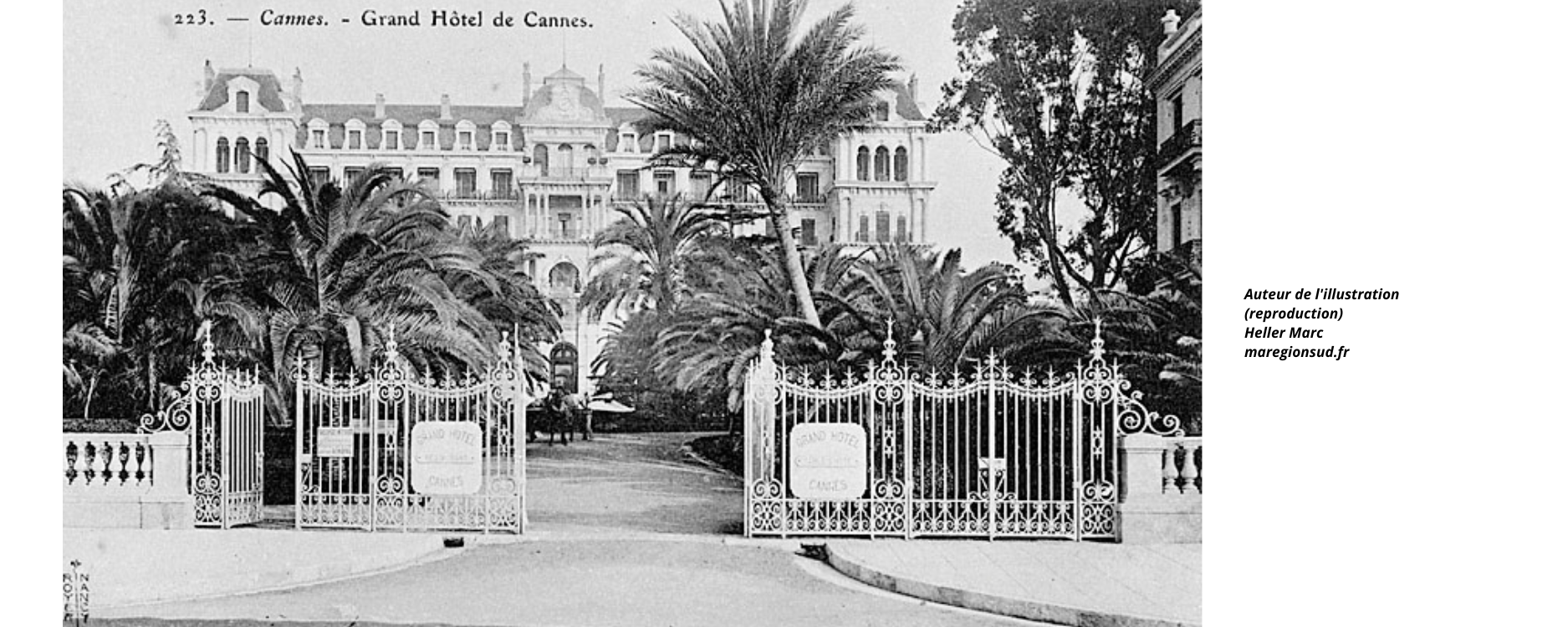
A small town in the early 19th century, Cannes rose to fame when British Lord Chancellor Henry Brougham discovered the city in 1834 after his trip to Italy was cut short. Following the construction of his Villa Éléonore in 1836, the small fishing port began to attract the English and then European aristocracy, eventually becoming a highly renowned winter resort. Whether in the historic center or in new neighborhoods, mansions, villas, and châteaux transformed the city, while the Croisette promenade, completed in 1863, saw the start of construction on the Grand Hôtel, Cannes’ first luxury hotel. Its opening marked the beginning of a new era: Cannes became a sought-after destination for the aristocracy, drawn by its climate, its waterfront, and its lifestyle.
The Grand Hôtel is not just another hotel. For many years, it remained the only luxury hotel on the Croisette and played a direct role in the city’s international renown. Its vast garden alone is a unique feature that sets this hotel apart from all others. It was also in these gardens that the first Cannes Film Festival was held in 1946, making this location a starting point for the city’s cultural history.
A century later, the Croisette underwent a transformation. In 1963, the Grand Hôtel was demolished and then rebuilt on the same site in a modernist style designed by architect Louis Lafond. The architecture has evolved with the times, but the spirit of the place remains: a hotel overlooking the Mediterranean, whose garden remains one of the Croisette’s greatest treasures.
More than sixty years after its reconstruction, this iconic institution is opening a new chapter in its history by joining the Mondrian Hotels collection, the lifestyle brand of the Ennismore Group. The project’s goal is clear: to preserve the spirit of the Grand Hôtel while adapting it to the expectations of an international clientele seeking unique experiences.
To bring this vision to life, the architectural firm Triptyque designs spaces that open onto the outdoors, where nature takes center stage.
The Mondrian’s true treasure, however, remains what had already made the Grand Hôtel famous: its 4,000 m² private garden, the only one of its kind on the Croisette.
Just like Cannes itself, the Mondrian is no longer just a place to stay. It has become a vibrant hub, frequented by travelers and locals alike.
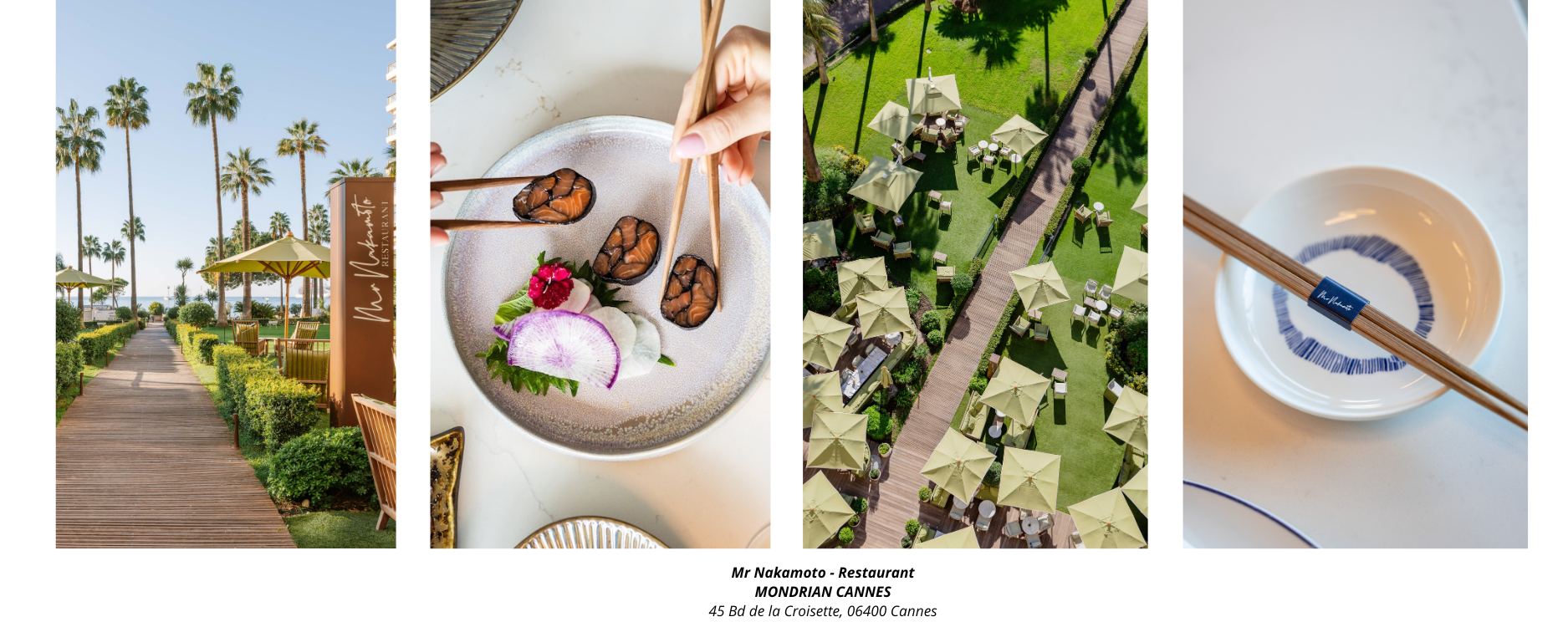
This new dynamic is particularly evident at Mr. Nakamoto, conceived as a unique gastronomic destination. The restaurant reimagines the great cuisines of Asia in an elegant atmosphere that evolves throughout the day, complemented by a wine cellar featuring over 500 selections.
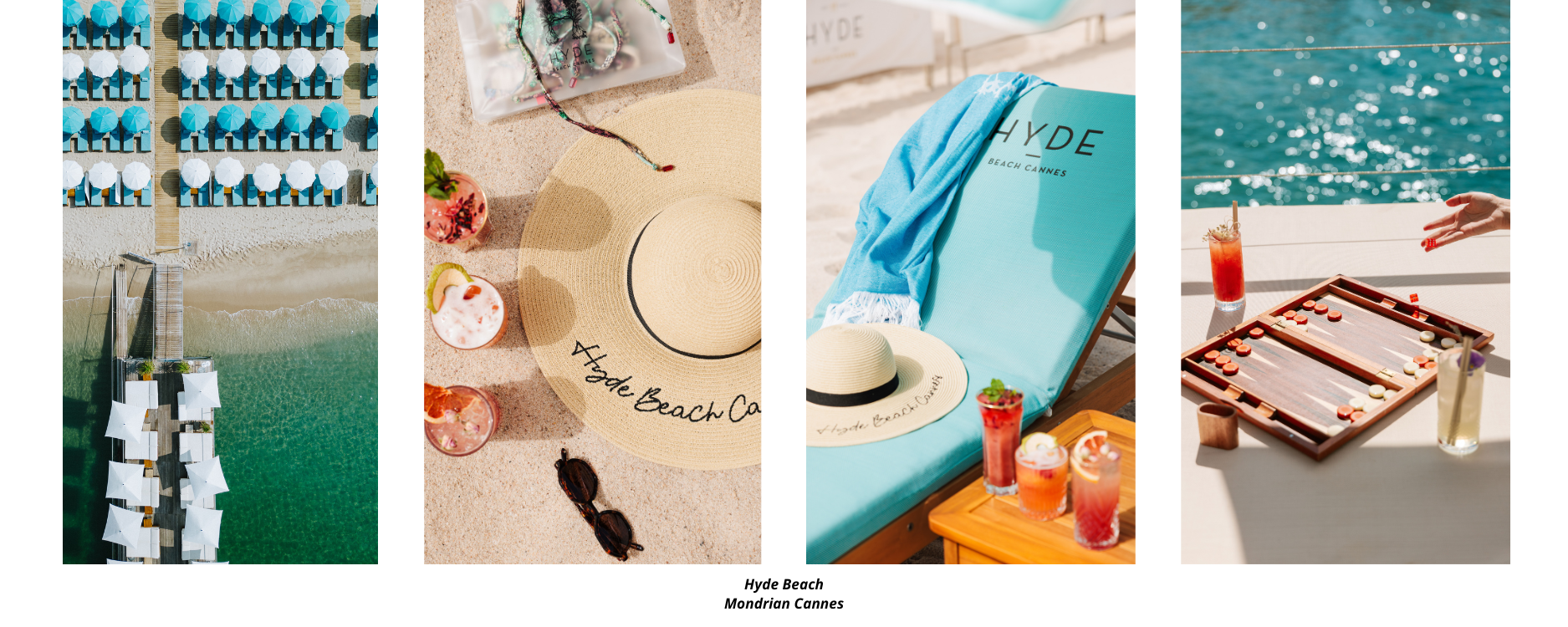
Just a few steps away, Hyde Beach Cannes extends this experience with your feet in the sand. It combines sun-kissed cuisine with a laid-back atmosphere. Hyde Beach is fully embracing the lifestyle revival of this historic landmark. Hyde Beach also offers one of the best vantage points from which to admire the famous fireworks of the Cannes Fireworks Festival.
The Grand Hôtel, now known as the Mondrian Cannes, is not the only building to have left its mark on the history of the Croisette. Over time, several buildings have become true architectural and heritage landmarks.
The Palais de la Reine, the Palais d’Orsay, the Gray d’Albion, the historic Belle Époque villas, and the luxury residences lining the Croisette each tell the story of a different era in Cannes. What they all have in common is that they have stood the test of time while retaining their exceptional character.
Even today, these properties rank among the city’s most iconic buildings, making them essential benchmarks in the luxury real estate market.
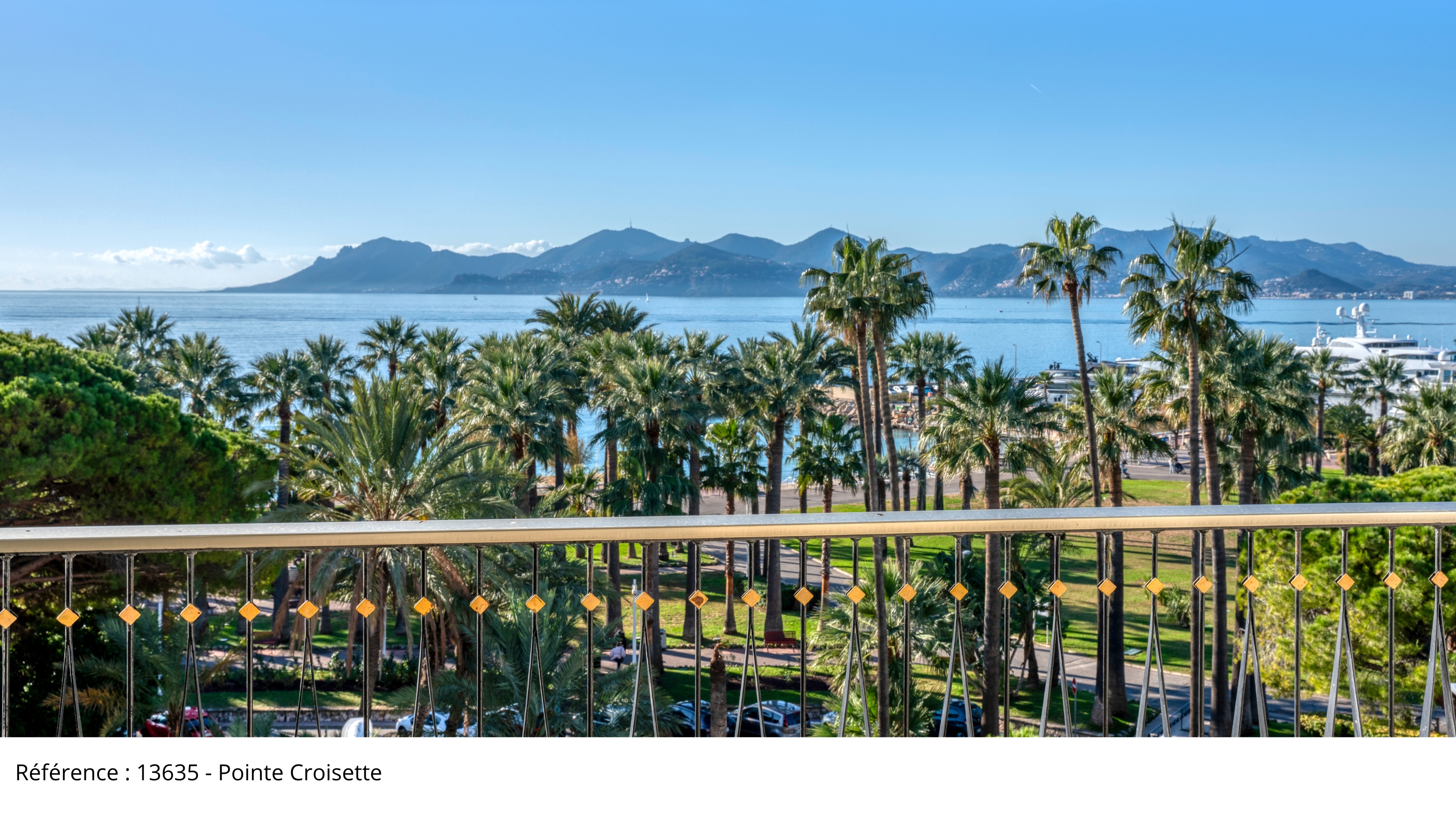
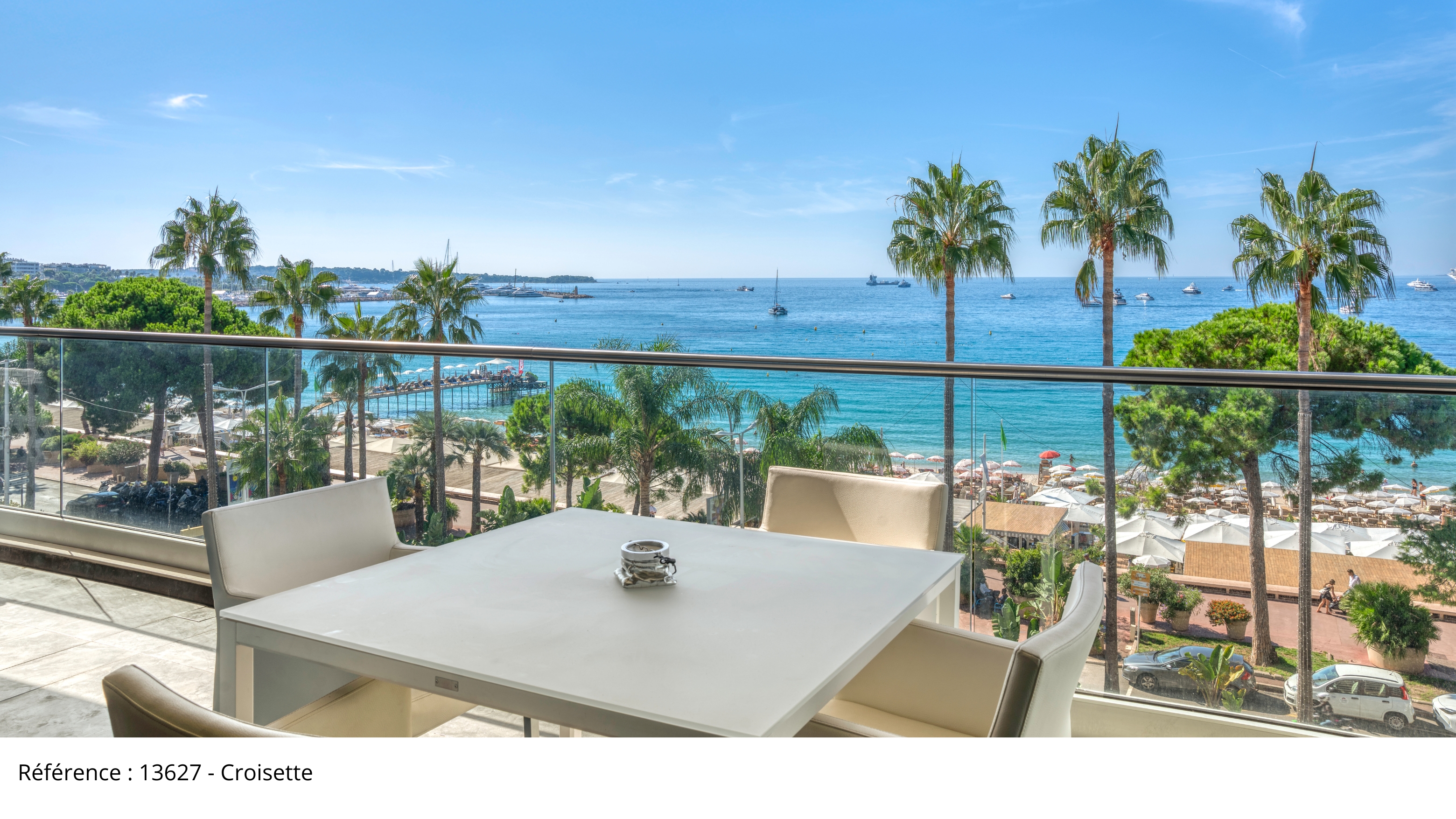
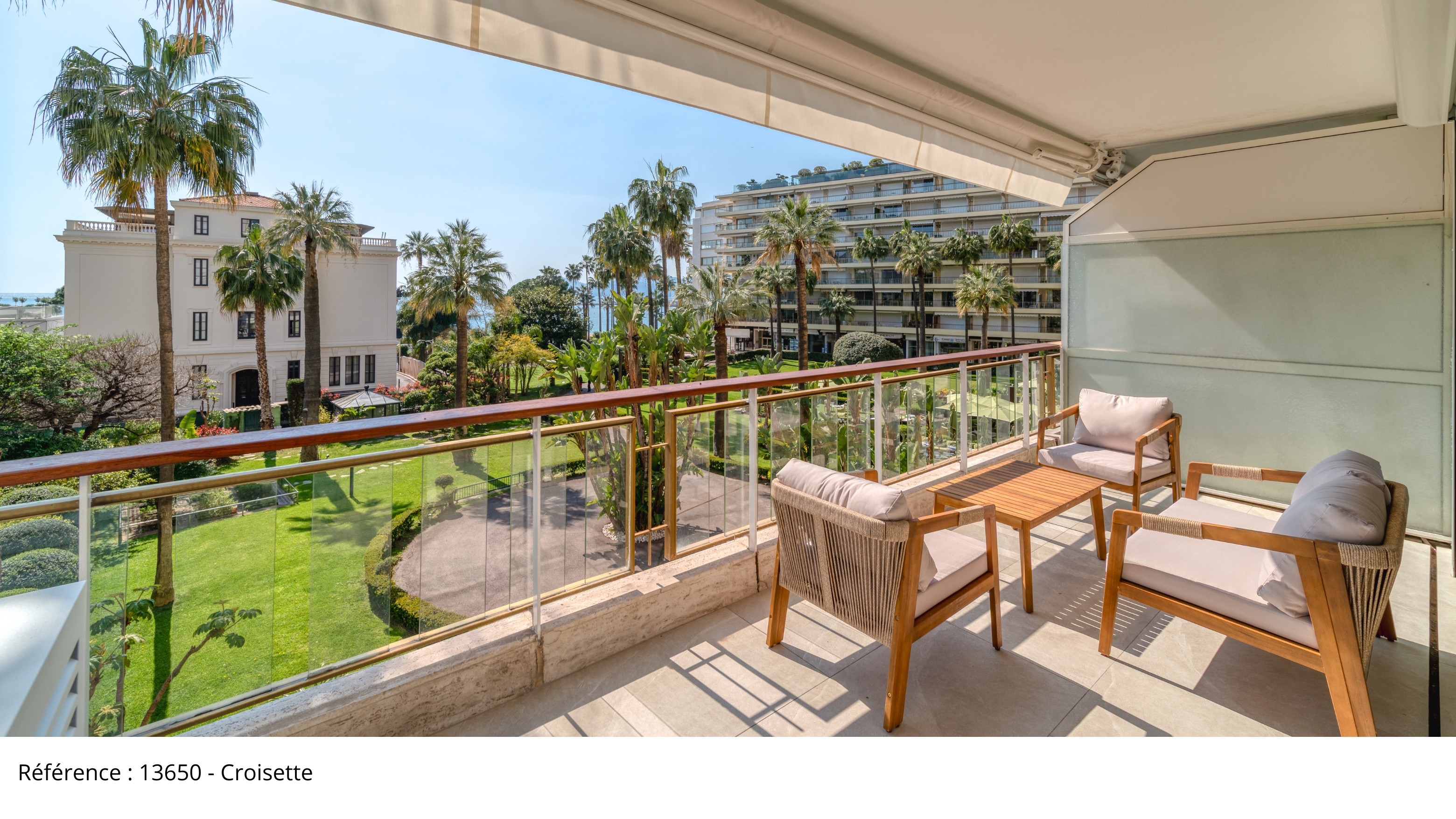
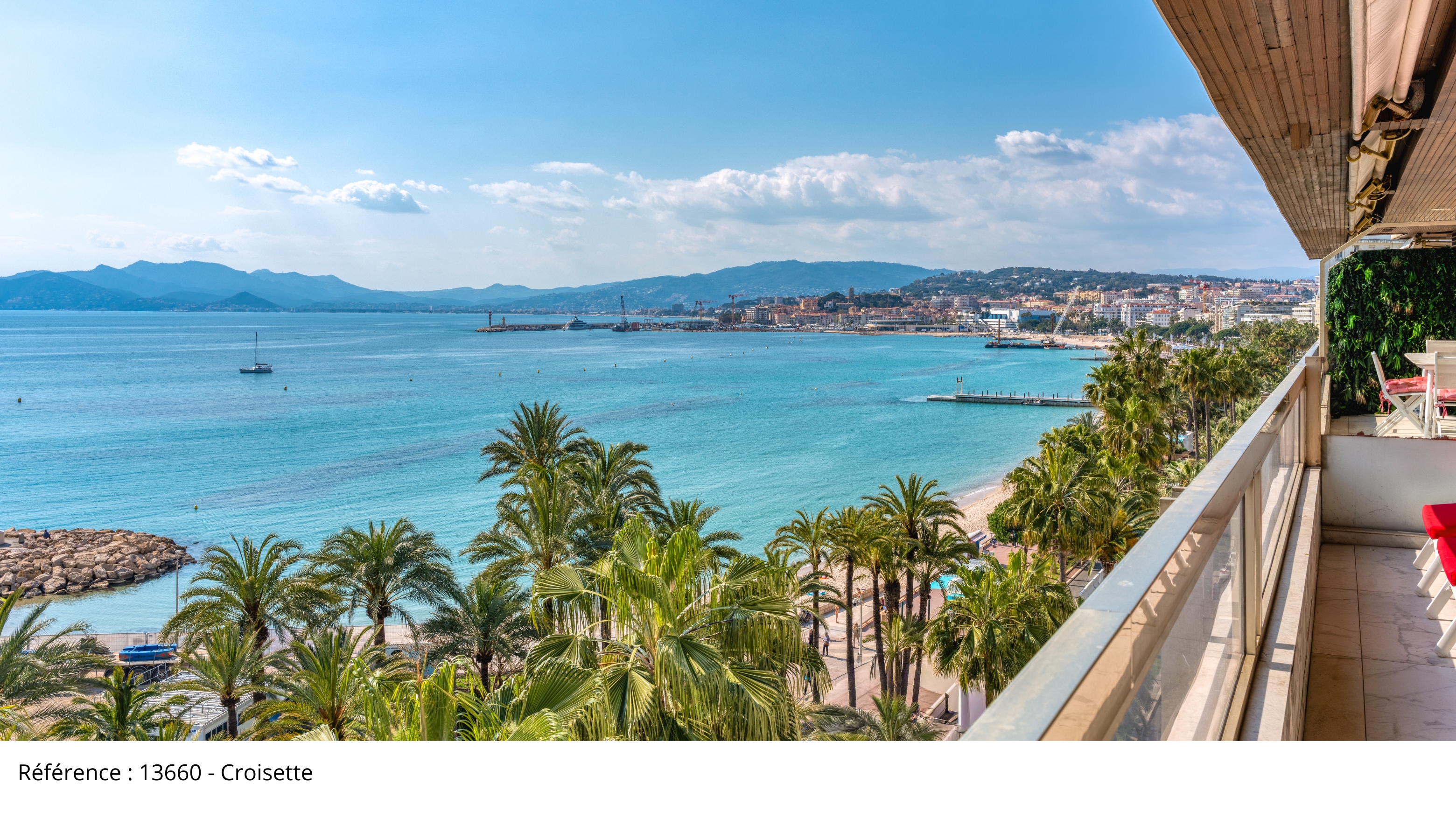
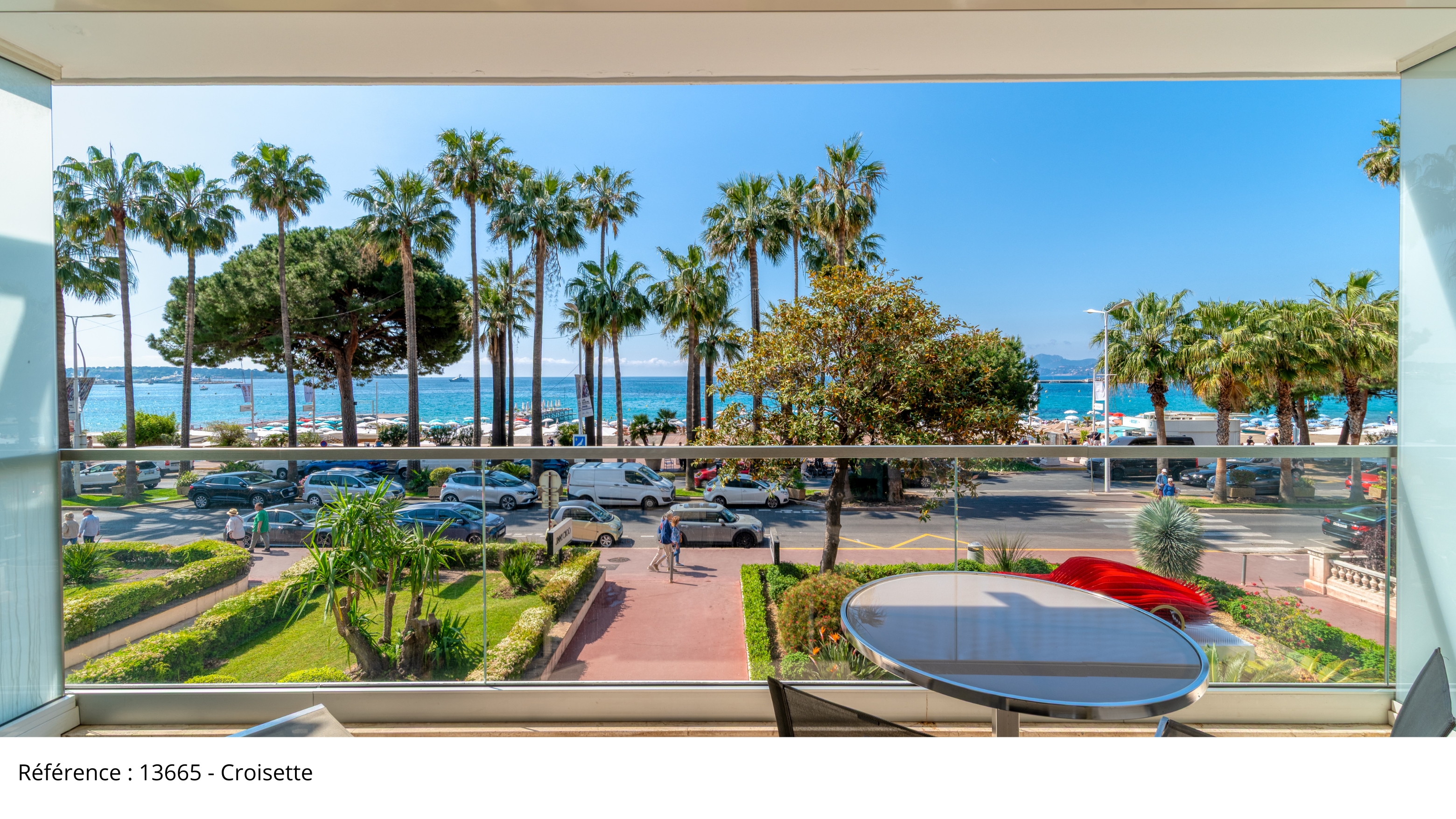
Living in an apartment on the Croisette isn’t just about enjoying a beautiful view or having a prime location. Just a few steps from the Mondrian Cannes, its historic garden, Mr. Nakamoto, and Hyde Beach, these iconic residences carry on the art of living for which Cannes is renowned.
Magrey & Sons serves this clientele by offering a selection of exceptional apartments in the most iconic buildings along the Croisette, including the Palais d'Orsay, the Palais de la Reine, the Gray d'Albion, the First Croisette, and other historic addresses. These properties allow residents to experience the Croisette not only as a place to live, but as a living heritage.
More than just buildings, these properties remain landmarks of Cannes’ heritage to this day. As witnesses to the city’s history, they continue to embody architectural excellence and remain among the most sought-after locations in the luxury real estate market. Combining heritage, elegance, and the art of living, they play a vital role in shaping the unique identity of the Croisette.