The Palace embodies recognition. It is here that aspirations are realized, talents are revealed, and works are put to the test before the eyes of the world. Presence here is codified, regulated, and hierarchical. It lends credibility, but it is no longer enough.
For at the same time, another reality is becoming clear: major decisions, the most daring collaborations, and the most strategic investments are not made in the spotlight, but in more discreet, controlled, and exclusive settings.
In 2026, for its 79th edition, the festival is evolving. In fact, it’s picking up speed. Film remains at the heart of the event, but around it, a new ecosystem is taking shape, one that is more hybrid, more digital, and more strategic. Cannes is becoming a hub where producers, investors, brands, content creators, and new players in the luxury sector come together.
The 2026 Cannes Film Festival this year embodies a dual dynamic, balancing heritage and modernity. The presidency of the jury has been entrusted to Park Chan-wook, whose demanding and aesthetically rich cinema embodies a strong international vision. The ceremonies will be hosted by Eye Haïdara, bringing a contemporary and accessible presence to a historically codified protocol
Two iconic figures will also leave their mark on this year’s edition. Peter Jackson will be honored at the opening, while Barbra Streisand will close the Festival with an Honorary Palme d’Or.
Behind its glamorous image, Cannes remains a machine of exceptional scale.
Nearly 40,000 accredited professionals flock to the Croisette, creating a unique gathering of talent, decision-makers, and investors. The city welcomes approximately 230,000 people over the two-week period nearly three times its usual population, creating a rare intensity where every interaction can prove decisive. The economic impact exceeds 200 million euros in direct economic benefits, confirming Cannes as a strategic driver for the film, luxury, and digital industries.
Even the festival’s logo reflects this commitment to excellence. The iconic 24 steps are covered each day with nearly 180 meters of red carpet, which is replaced daily to maintain a flawless appearance.
Beyond the numbers, it is the very nature of the Festival that is changing.
The arrival of the Creator Economy Summit marks a turning point. Content creators are no longer on the sidelines; they are now central to the Festival’s operations. Their ability to produce, distribute, and amplify content in real time is redefining the rules of the game. A presence in Cannes is no longer limited to a single moment; it can now be extended and amplified on a global scale in a matter of seconds.
Artificial intelligence is also emerging as a key driver of change. It plays a role in project design, writing, audience analysis, and content distribution. Cannes is becoming a testing ground where creativity is already being conceived in conjunction with data. More adaptive narratives, personalized content, and hybrid experiences are gradually emerging, transforming the very way stories are told and produced.
This shift is redefining the boundaries of cinema. A project is no longer just a film, but a universe capable of existing across multiple formats and platforms. The lines between creators, producers, and distributors are blurring. Brands are becoming cultural players, creators are becoming media outlets, and Cannes is becoming the focal point of these transformations.
In this context, the real challenge for the 2026 Cannes Film Festival is capturing attention that is fragmented, immediate, and highly competitive. This plays out just as much on the red carpet as it does in real-time content, private meetings, or experiences on the sidelines of the Festival.
Dans un environnement où chaque minute compte, la localisation devient un facteur déterminant. La capacité à enchaîner un rendez-vous au Palais des Festivals et des Congrès de Cannes, une rencontre informelle, puis une production de contenu sans rupture conditionne directement l’efficacité d’une présence.
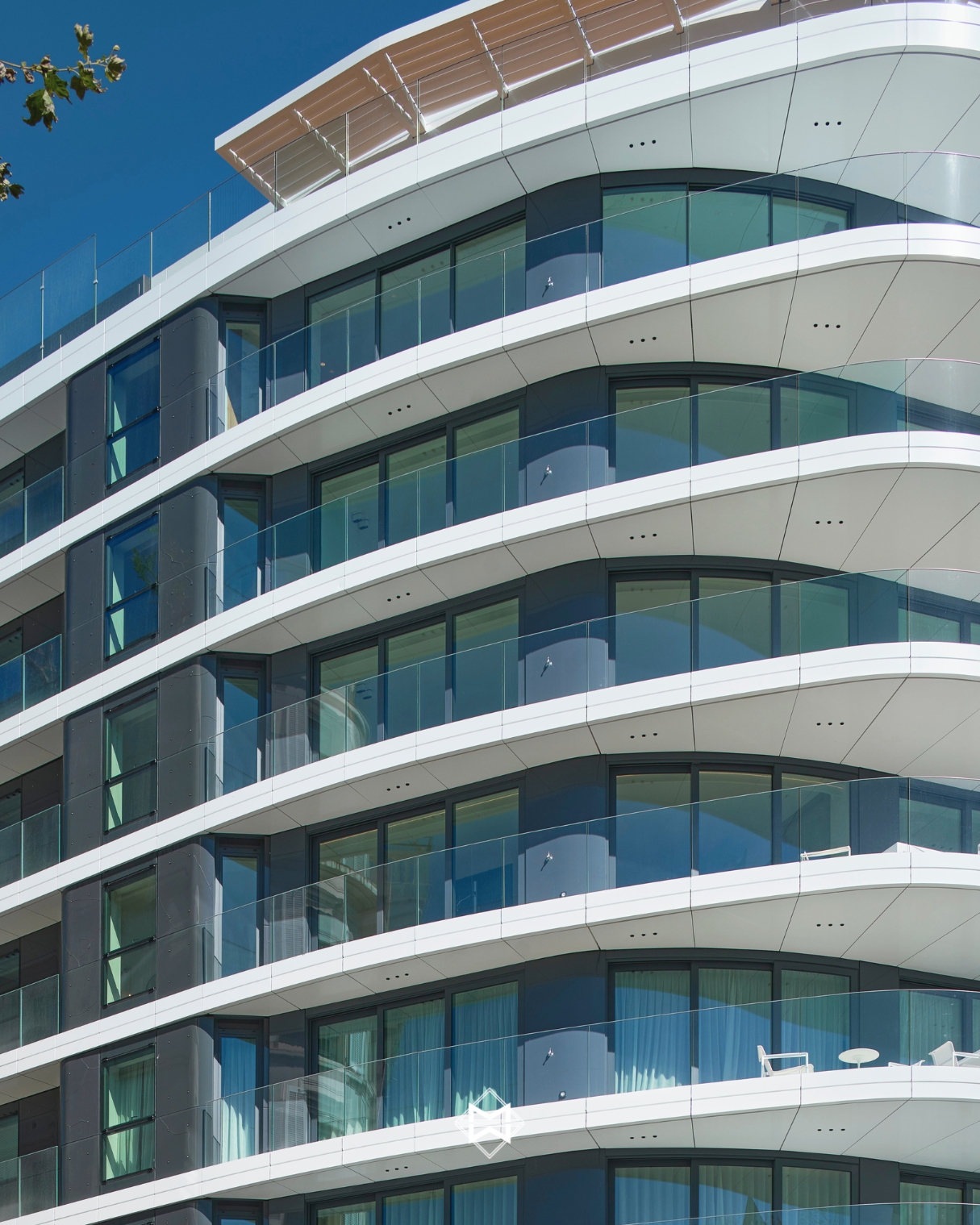
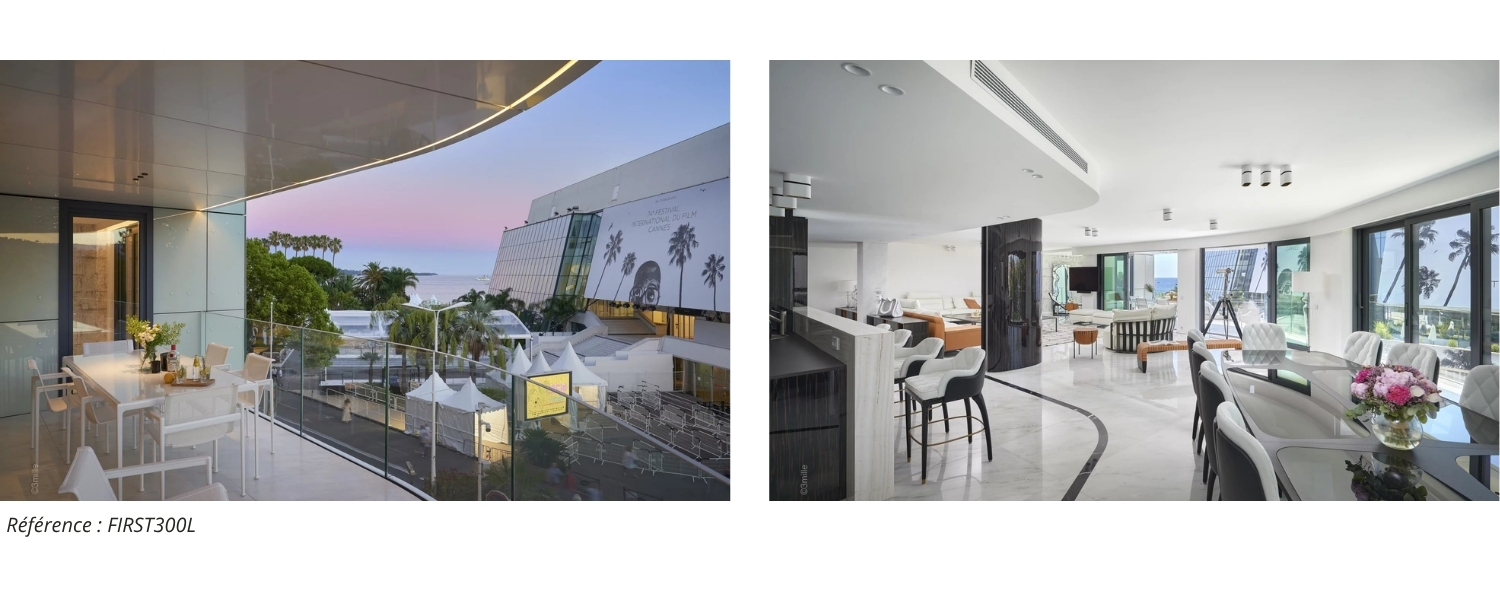 Located across from the Palais, the First Croisette residence stands out as a strategic hub. These spaces no longer serve merely as accommodations; they provide a single venue for hosting events, working, creating, and sharing.
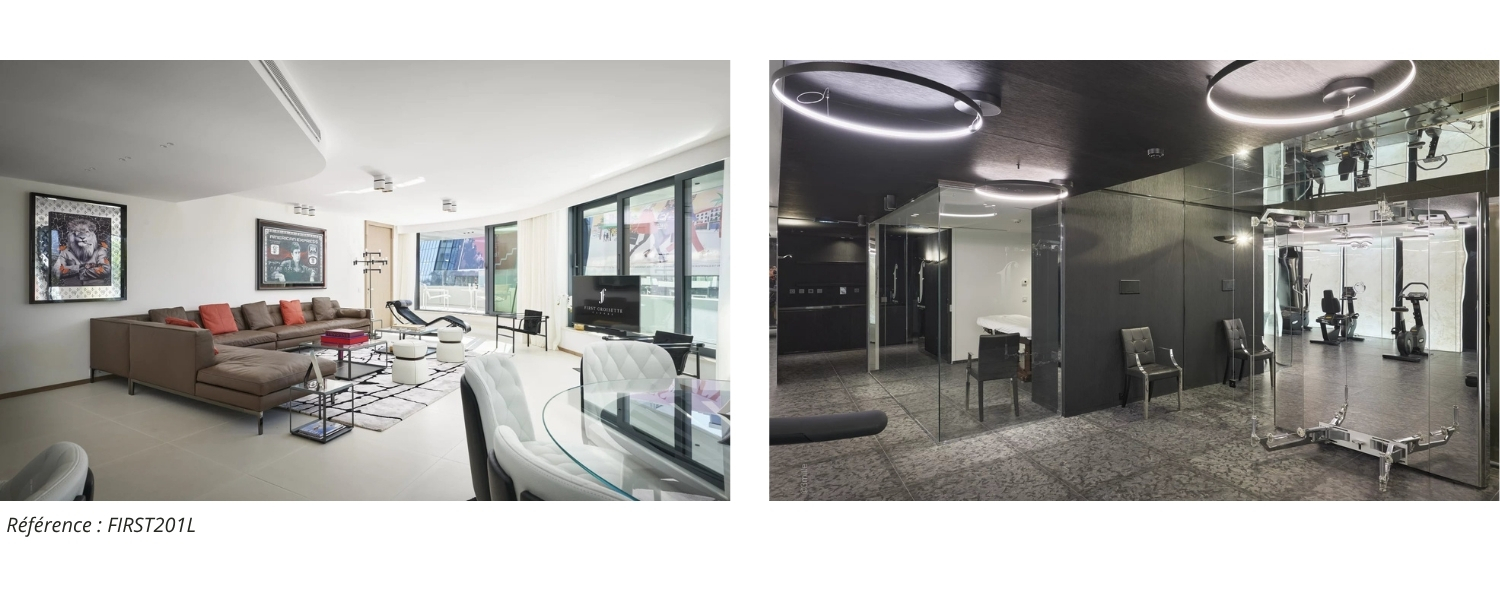
Targeted receptions, continuous meetings, content capture, image management. Everything can be seamlessly organized.
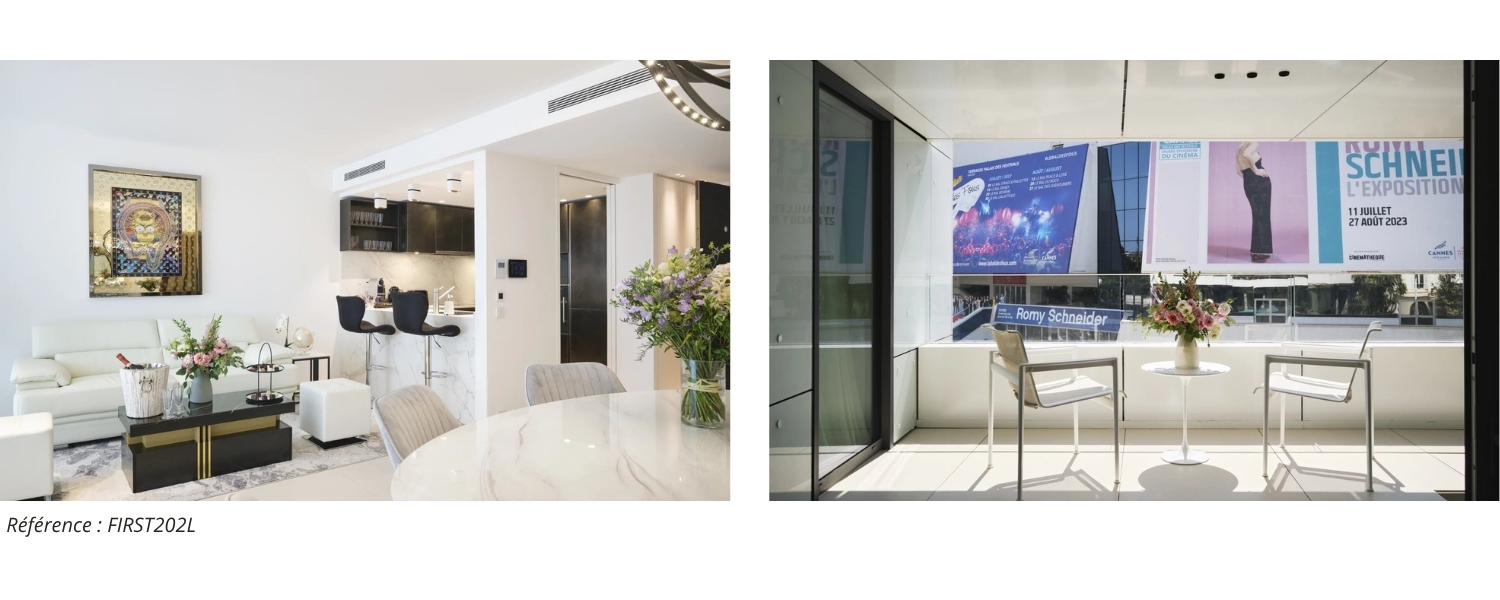 In an environment where creators publish in real time and decisions are made at an ever-faster pace, these spaces have become natural extensions of the Festival. Simply being nearby is no longer enough. We need to be ready to act.
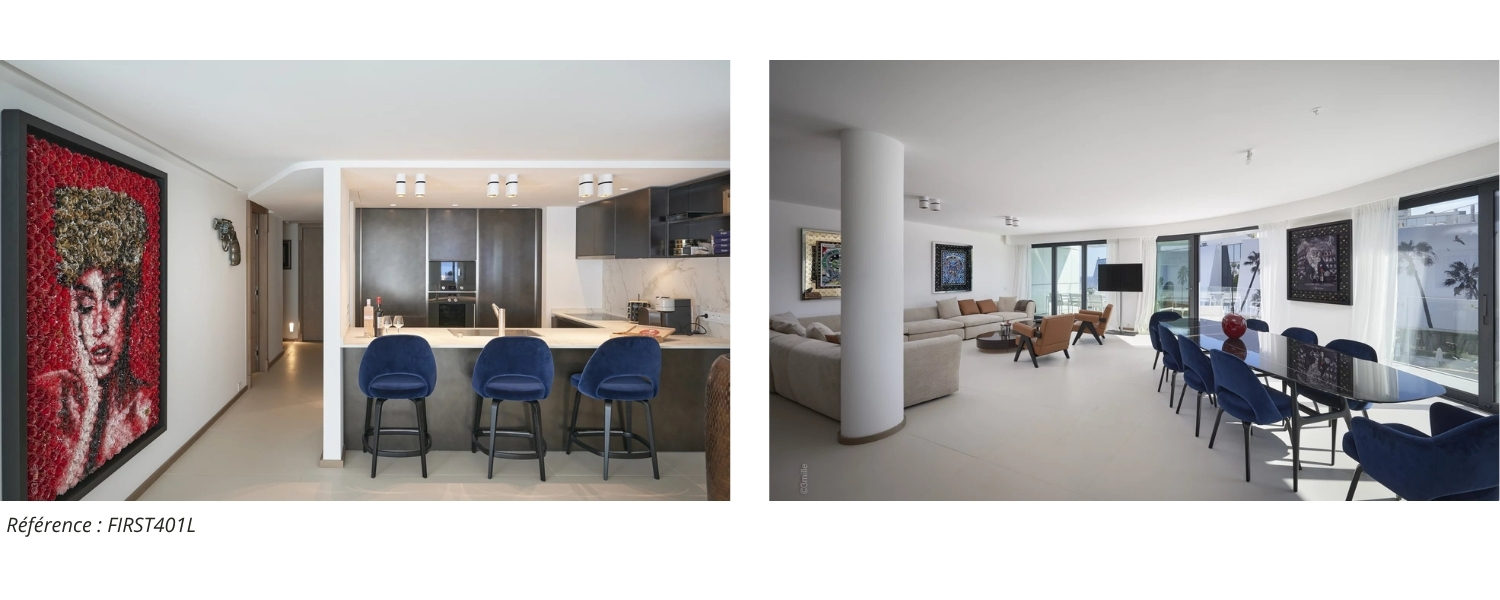
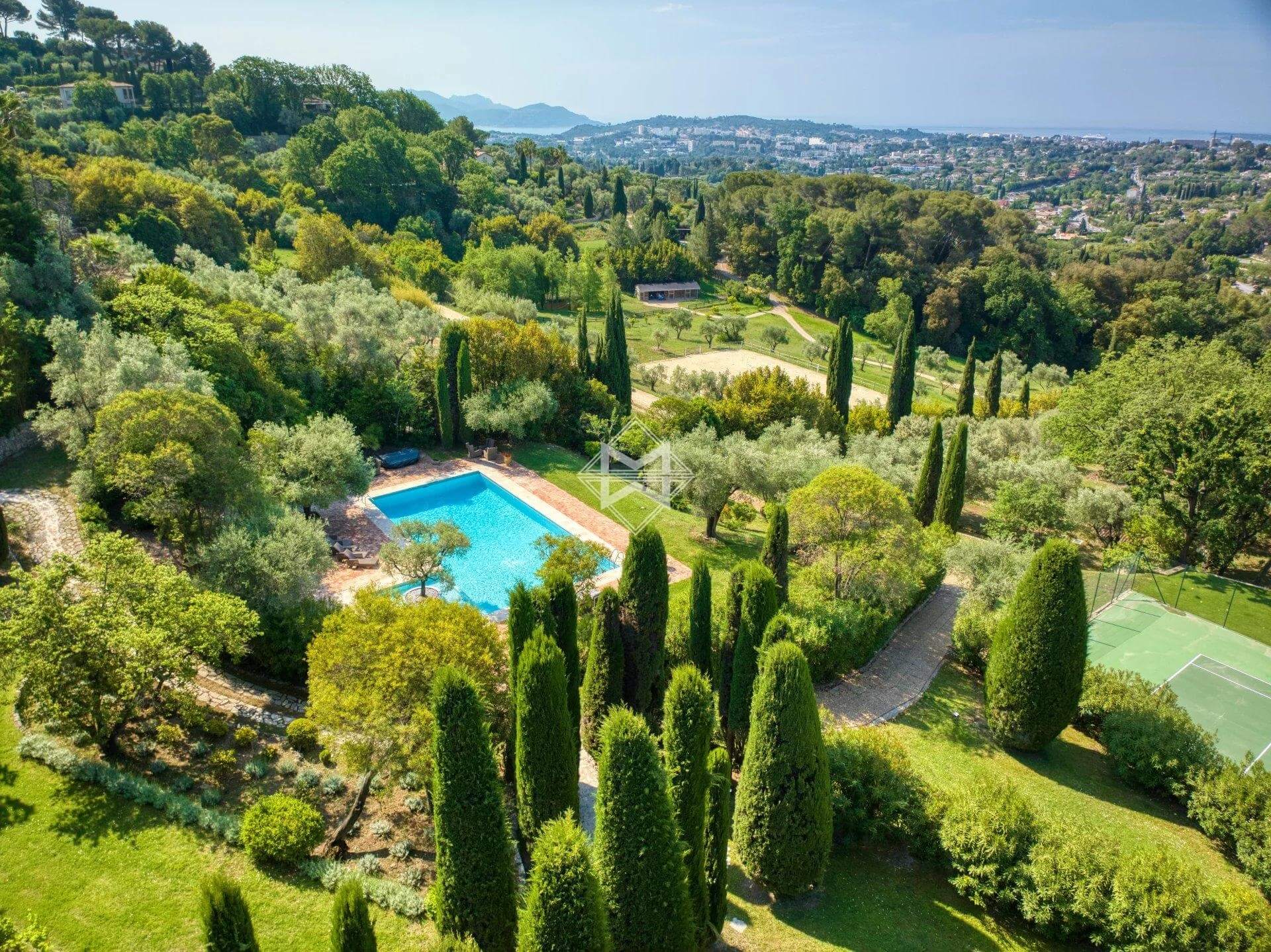
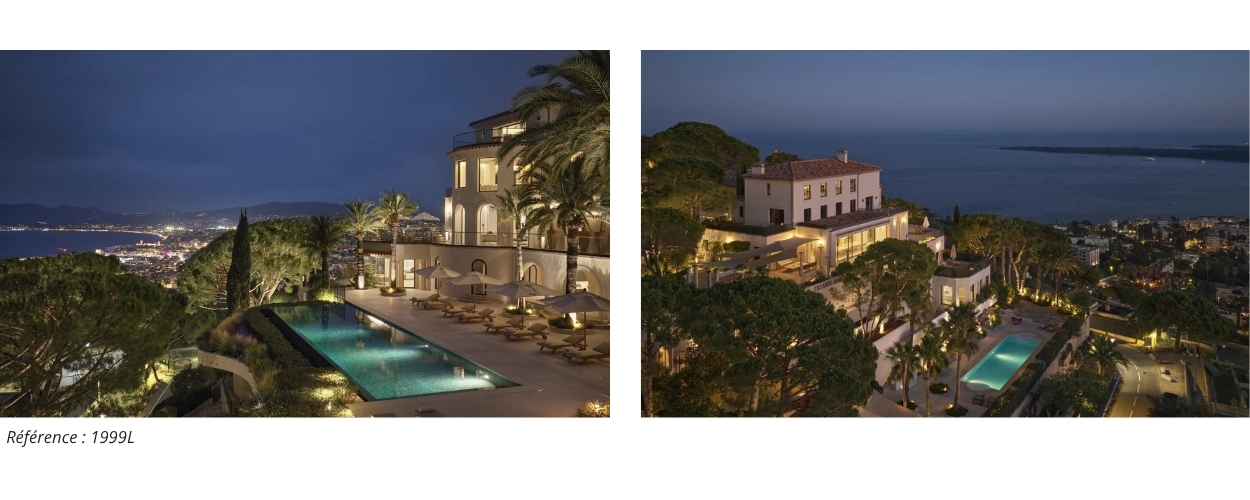
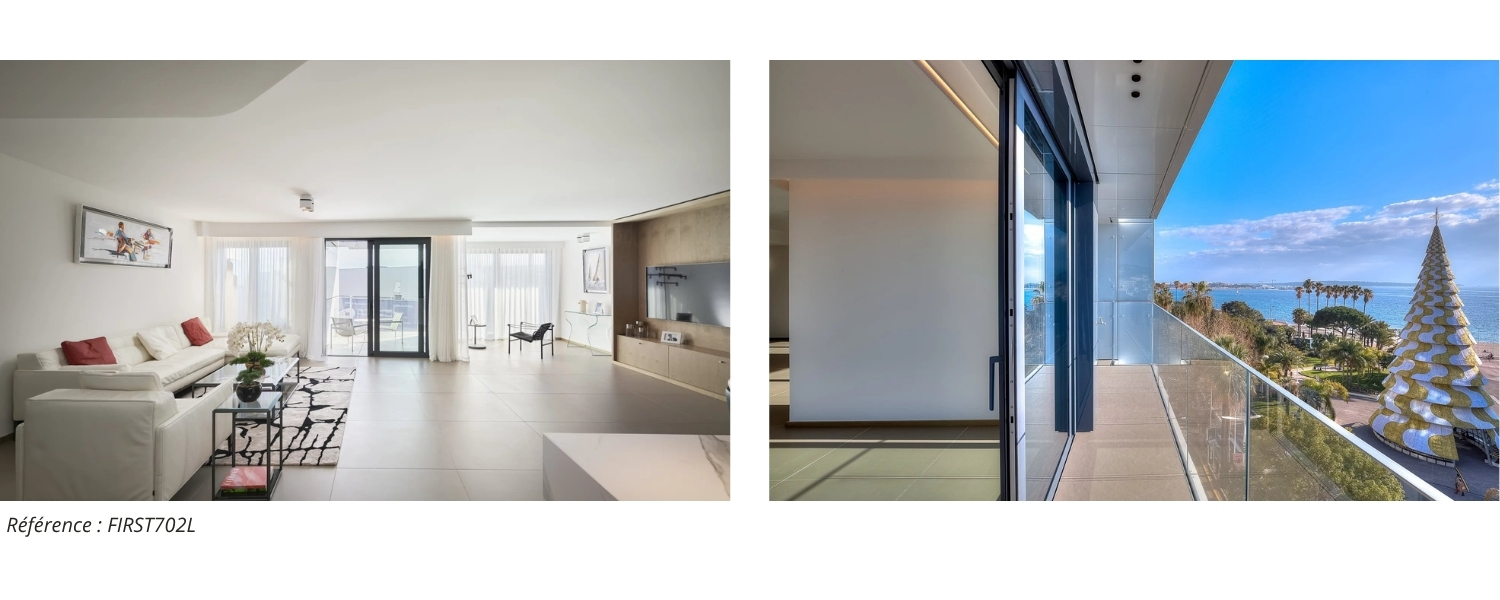 In some cases, when the scale of events changes or the need for space becomes more critical, other venues step in. Venues like Bagatelle allow for larger gatherings without sacrificing control or intimacy. Just a few minutes from the Croisette, these spaces offer a more open setting where it becomes possible to bring people together, extend, and amplify the momentum established earlier.
Whereas an apartment facing the Palace allows you to frame and orchestrate, this type of space allows you to expand without losing focus. It lets you host more people while maintaining a curated selection, an atmosphere, and a clear direction.
What sets today’s most influential players apart is no longer their presence, but their ability to craft their image. Choosing the right places, the right moments, and the right interactions. Turning every opportunity into a strategic advantage. In Cannes, the difference lies not in what you see, but in what you build.
The 2026 Cannes Film Festival has never been more accessible on the surface, yet more demanding in reality. Opportunities abound, but they require a nuanced understanding of the dynamics at play and rigorous preparation. Those who plan ahead turn their presence into a catalyst.
Others are still just attending a festival; they, however, are already participating in an ecosystem.