Owning a work of art means owning a piece of history. Each piece can mark a key moment, a connection to an artist or an artistic movement, or a family heirloom that creates a unique intergenerational bond.
Artistic heritage is distinguished by its ability to evoke powerful emotions. Displayed in a family home, a work of art becomes a silent witness to life’s events, transcending its status as an object to become part of the family’s identity.
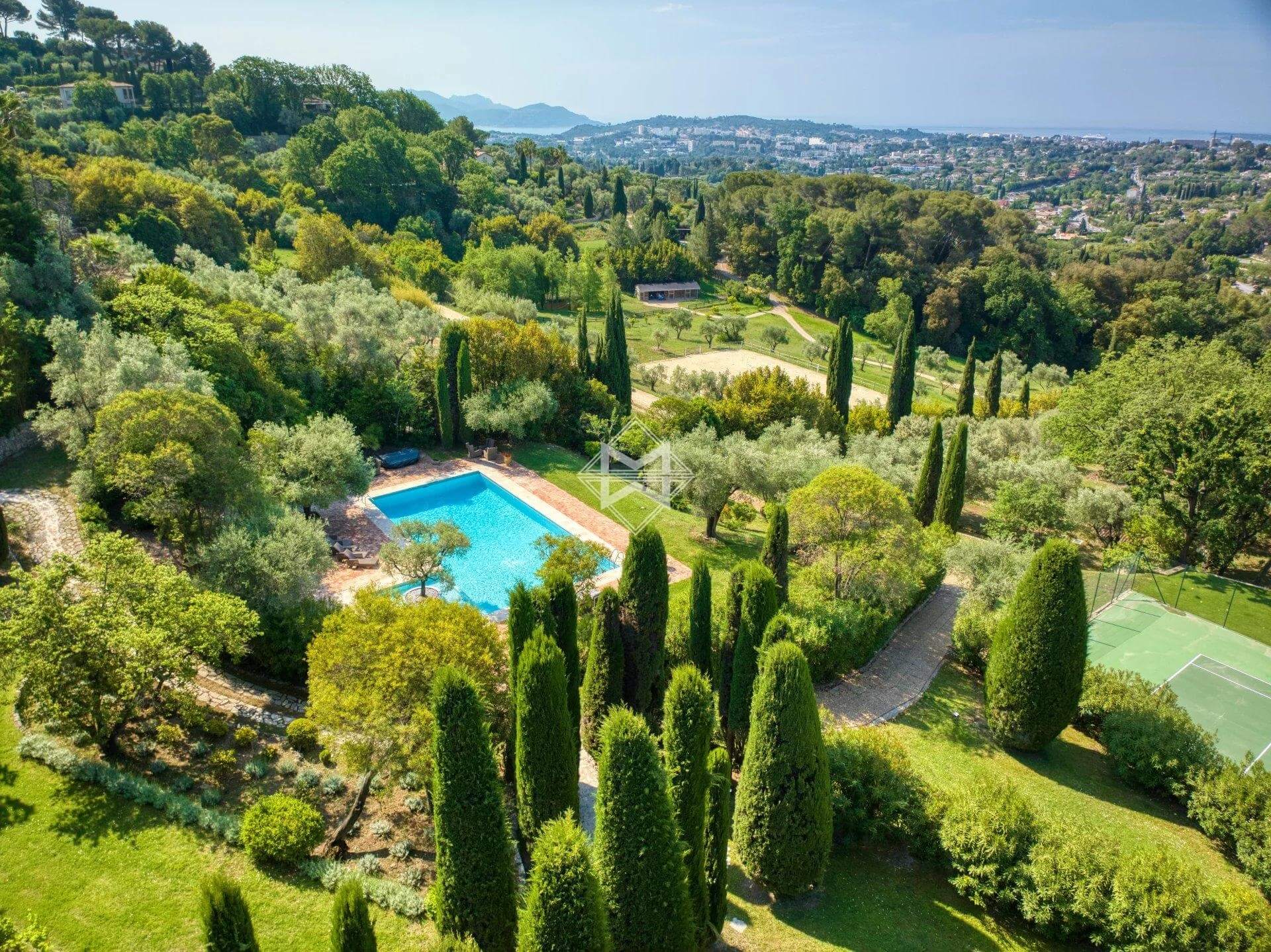
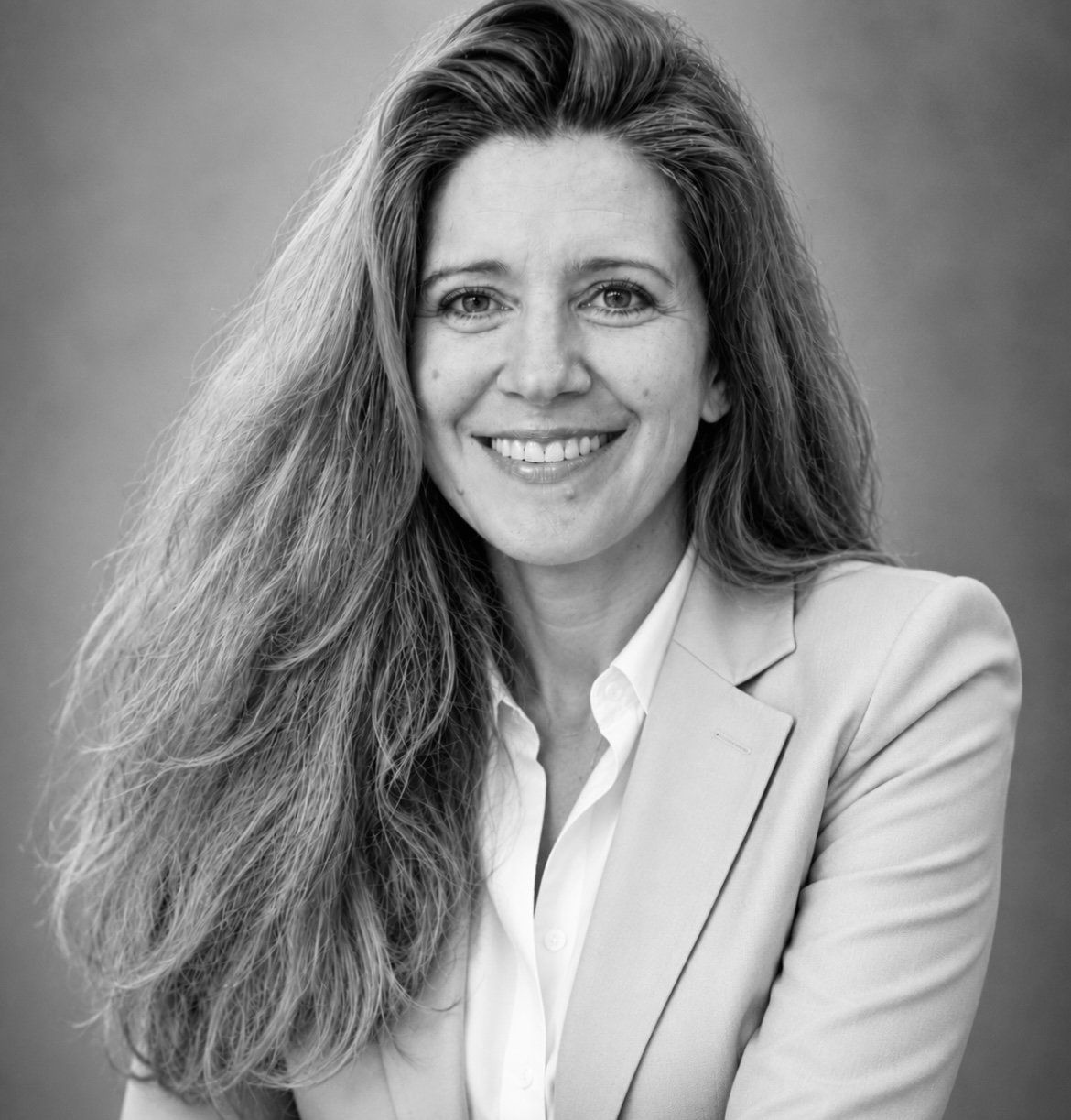
A Haussmann-style apartment, with its moldings and high ceilings, set off by beautiful paintings, accompanies the life journey of a family leaving Paris for the French Riviera. The artworks from the Parisian living room find their place in the new villa, carrying with them the memory of their original home. This is proof that art, a tangible part of one’s heritage, is passed down and moves with the family while enhancing every architectural space.It is in this context that we meet Delphine Brochand, founder of Fin'Art Consulting, Art Wealth Management, and an expert in the art market. We met her at an event organized in collaboration with the FAMM museum; she is a recognized intermediary between families and the art world, guiding them in the acquisition, transfer, and appreciation of their collections.
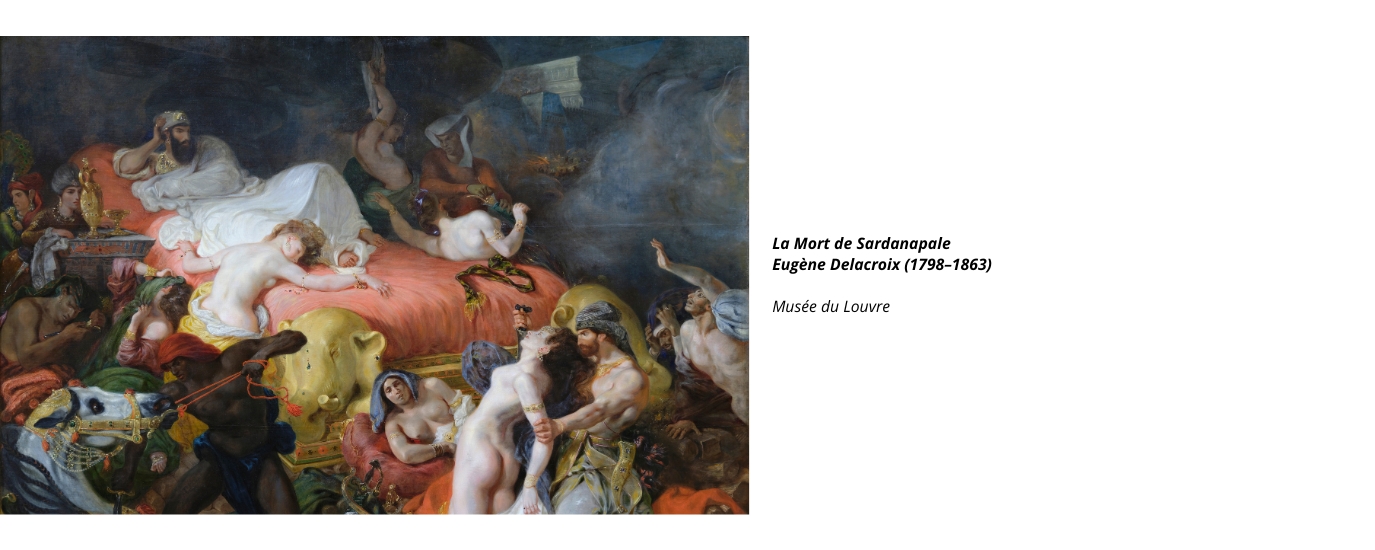
"When I visited the Louvre for the first time as a child, I was deeply moved by Eugène Delacroix’s *The Death of Sardanapalus*. Beyond the dramatic theme, I saw nothing but beauty: the contorted bodies, the refinement of the jewelry and fabrics, the warm tones characteristic of the Romantic movement... And the sheer immensity of this painting, which told me that anything was possible. That work has never left me. It’s my compass. Everything stems from it—my passion for art and, later on, for creativity in all its forms. So my path was a natural one: studying art history in Paris and London, my first experiences at Drouot, in galleries, and at Sotheby’s. Then I had the good fortune to meet the head of a major financial firm that had developed an art department alongside its other traditional “asset” activities. A visionary, he had already realized that art was a cultural asset in its own right. I was 28 years old, and he entrusted me with the responsibility of developing this business. It was a fabulous adventure, especially since the art market in France wasn’t yet very well structured in the early 2000s, which didn’t meet my expectations. I learned a great deal about private wealth management, client profiles and expectations, as well as the responsibilities of private bankers and wealth managers. After 10 years, I founded one of the first firms specializing in private wealth management for art collections, and my employer became my first client."
Just as a remarkable work of art can inspire a calling, a remarkable living space can inspire a way of life. Aesthetic emotion, whether experienced before a painting or in the presence of architecture is the common foundation of cultural heritage. This dual expertise, in art and heritage management reflects how luxury real estate is viewed today: no longer as a mere property, but as an asset in its own right, chosen with the same discernment as a work of art for a private collection.
It is precisely this vision of clients as full-fledged partners developed over the course of an authentic journey that now guides the way Delphine supports her clients on a daily basis.
"Private art wealth management offers a comprehensive range of services at various levels: transactions, collection management, tax and legal matters, logistics, and more. Clients’ needs may be specific or multifaceted. However, certain major trends in client needs have emerged: support for acquisitions and sales, inventories, advice on succession planning, and tax recommendations.As part of this restructuring, an “audit” of their collection is proposed, involving a reorganization of the works from the perspective of artistic asset allocation. This has a significant impact on the value of the collection as a whole. This has a significant impact on the overall value. Furthermore, clients greatly appreciate the independence of our approach when conducting transactions: we do not limit ourselves to any particular market and draw on the strength of our network in France and internationally (galleries, auctions, private collections, etc.); our clients therefore benefit from the best options available on the market. This process is conducted with strict regard for their interests.
We have also identified timing trends related to our clients’ needs: support for acquisitions following the sale of a business or a cash-out transaction, during an acquisition or real estate arbitrage, in connection with an estate, or simply as part of a comprehensive wealth reorganization. We stand by our clients throughout the entire period they own the artworks, if they so desire.
Finally, clients expect a personalized service that demonstrates a deep understanding of their needs and optimizes the role of artworks within their overall wealth. They also seek hands-on experience and empathy to ensure that their wishes are fully met. Furthermore, transparency through a compensation structure based on a percentage of sales, reassures them."
These same major life events business sales, family succession, and estate reorganization are also the moments when decisions regarding luxury real estate take shape. Works of art and exceptional properties often follow the same life cycle, illustrating how artistic and real estate assets evolve over time.
This comprehensive, tailored approach naturally extends to the way Delphine Brochand assesses the quality of a work of art before any acquisition. Each piece undergoes a rigorous analysis that combines aesthetic judgment, market expertise, and alignment with her clients’ wealth management goals.
"While the art market is not regulated (there is no regulatory body like the AMF in the financial sector), there are criteria for assessing the quality of an investment. One of our key strengths is our ability to rationalize a price when we assist with an acquisition. Specifically, we conduct very rigorous due diligence based on the three pillars of “authenticity, quality, and price.” If any one of these criteria is not met, we decline the case. For example, information regarding a work’s provenance is just as important as the certificate of authenticity; the period in which the work was created will affect its price; its condition is essential; and market timing is crucial to avoid entering the market during a period of frenzied demand or speculation surrounding an artist, etc. Beyond analyzing the quality of the artwork, the track record (analysis of past prices) is therefore essential for determining the “right” price. As for the “passion” aspect, we’re here to match our clients’ tastes with established artists. We’re also very cautious when it comes to contemporary art and its speculative price spikes. As a result, we are very cautious when it comes to contemporary art and its speculative booms. We know which galleries represent established artists and which ones are simply “marketing” a trendy artist who is unlikely to stand the test of time. Never forget that capital gains are realized at the time of purchase. But we should also consider whether this artwork is a good investment for this client."
This requirement for due diligence has its counterpart in the luxury real estate market, where location, the condition of the building, and a property’s traceability (history, previous owners, architect) determine both the soundness of an investment and its sentimental value. We are, in fact, convinced that a genuine connection exists between artistic heritage and exceptional real estate, as the principles governing their valuation appear to converge.
"There are many similarities that explain why these two “assets” are considered long-term wealth assets. They both embody the same exceptional wealth-building principles: rarity, uniqueness, resilience, quality, timelessness, and prestige.
In fact, several factors contribute to the value of art and exceptional real estate, such as: rarity (a work of art’s provenance and prestigious pedigree; an exceptional location for real estate), and unique characteristics that cannot be replicated (a new pictorial language, architecture, a unique view, etc.), resilience, which makes them solid, tangible assets that rarely lose value during times of economic uncertainty (especially in the case of exceptional real estate and major works of art); intergenerational transfer, because value creation is often appreciated over the long term; and prestige, because owning a masterpiece or an iconic property is an undeniable social marker that goes beyond economic value its timelessness, because a Picasso will always remain a Picasso, just as a place or an exceptional piece of architecture will.
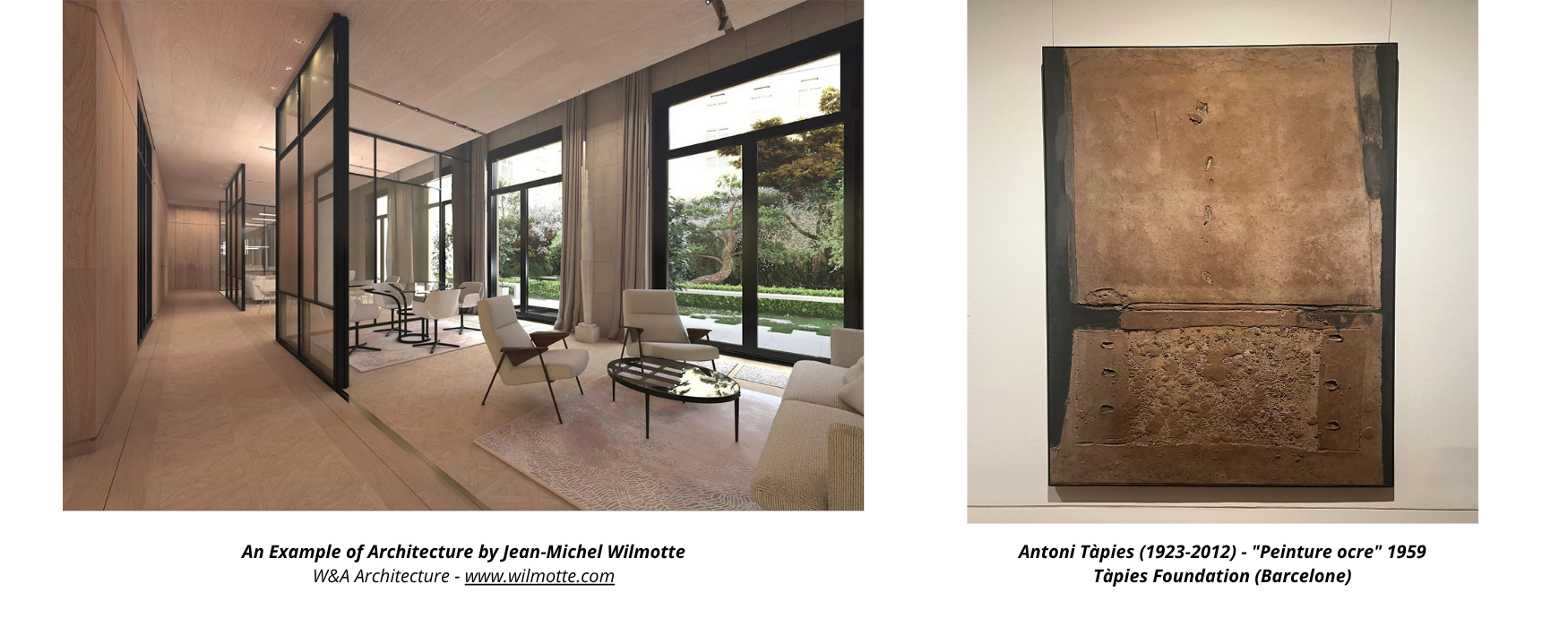
Furthermore, art serves as an extension of a space’s architecture, highlighting its volumes and enhancing the architect’s vision. For example, the works of Antoni Tàpies (a major 20th-century artist) engage in a wonderful dialogue with Jean-Michel Wilmotte’s architecture, as they share the same aesthetic sensibility rooted in materiality and simplicity. Indeed, this painter works with thick layers of sand, marble dust, and cement, just as the architect readily uses stone, concrete, wood, and glass. These two “artists” allow the natural texture to come through. The material is not merely a medium; it becomes the subject. This illustrates how a work of art does not merely occupy a space but plays a full part in the architectural identity. And that is precisely why this artist’s works can be found in high-end private residences, corporate headquarters, and even hotels designed by or in the spirit of Jean-Michel Wilmotte. This is a fascinating aspect of our profession. In fact, I take particular pleasure in seeking out works that embody the spirit of a place: an aesthetic of silence, a monumental presence without ostentation, and so on. And while one is meant to be contemplated and the other to be lived in, art like exceptional real estate embodies cultural capital as much as financial capital."
 Rarity, timelessness, prestige, the same words used to describe a masterpiece and to define an exceptional establishment. In both cases, you’re not just buying an object; you’re acquiring a piece of history destined to be passed down through the generations. It is precisely this conviction that drives Magrey & Sons, a family-owned luxury real estate group. Born of the same commitment to quality and discernment, it, too, has been passed down from generation to generation, driven by a vision in which each item is selected and passed on with the same care as a collector’s piece.
With locations in the most prestigious areas of the French Riviera, Monaco, and Paris, Magrey & Sons maintains the same approach: personalized service based on a thorough understanding of each market and a commitment to listening carefully to every project. Discover all of our offices.
In this way, every property we help bring to life becomes, in turn, a silent witness to a new family history a place where, generation after generation, the most beautiful chapters of a way of life are lived out alongside its finest works of art.